
Cuando los compradores comparan dispositivos digitales de visión nocturna, suelen fijarse en el tamaño del sensor, la resolución, la autonomía de la batería, la función de grabación o las opciones de montaje. Estas especificaciones son importantes, pero hay un factor que a menudo se pasa por alto: la frecuencia de actualización.
En la visión nocturna digital, la frecuencia de actualización influye en la fluidez con la que se muestra la imagen cuando el usuario se mueve, escanea una zona u observa un objetivo en movimiento. Una frecuencia de actualización más alta puede contribuir a crear una experiencia visual más natural y cómoda.
Por eso, los 100 Hz se han convertido en una característica importante de los dispositivos digitales modernos de visión nocturna.
El Monocular digital de visión nocturna UVQ G14 offers both 50Hz and 100Hz refresh-rate options for smoother viewing.
¿Qué significa 100 Hz?
100 Hz significa que la pantalla o el sistema de visualización actualiza la imagen hasta 100 veces por segundo.
En términos sencillos, cuanto mayor sea la frecuencia de actualización, con mayor frecuencia se actualizará la imagen. Esto puede hacer que la imagen se vea más fluida, sobre todo cuando el dispositivo está en movimiento o cuando el usuario recorre la pantalla con la vista para observar una escena.
En el caso de la visión nocturna digital, la frecuencia de actualización no es solo una cifra que aparece en la pantalla. Influye directamente en la percepción de la imagen durante su uso en la vida real.
Por qué es importante la frecuencia de actualización en la visión nocturna digital
Los dispositivos digitales de visión nocturna utilizan un sensor, un sistema de procesamiento de imágenes y una pantalla para generar una imagen visible. A diferencia de la visión óptica tradicional, la imagen se captura y se procesa electrónicamente antes de llegar al ojo del usuario.
Por este motivo, la fluidez de la pantalla cobra una gran importancia.
Si la frecuencia de actualización es demasiado baja, la imagen puede parecer retrasada, entrecortada o molesta durante los movimientos. Esto puede dificultar que el usuario observe con naturalidad, sobre todo al caminar, girar la cabeza o mirar de un lado a otro.
Una frecuencia de actualización más alta ayuda a reducir este problema, ya que la imagen se actualiza con mayor frecuencia.
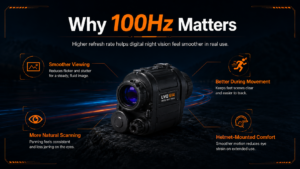
100 Hz y una visualización más fluida
Una frecuencia de actualización de 100 Hz puede contribuir a ofrecer una experiencia visual más fluida en comparación con los sistemas que tienen una frecuencia de actualización inferior.
Esto resulta útil cuando el usuario necesita observar de forma continua, mover el dispositivo o explorar una zona amplia. La imagen parece más estable porque la pantalla se actualiza con mayor frecuencia.
Para la observación en condiciones de poca luz, es importante que la visualización sea fluida, ya que los usuarios suelen necesitar identificar formas, movimientos, distancias y detalles del entorno. Una imagen entrecortada puede dificultar la observación, especialmente en entornos exteriores oscuros.
Una imagen más nítida no solo tiene mejor aspecto, sino que también puede hacer que el dispositivo resulte más fácil y cómodo de usar.
100 Hz y movimiento
El movimiento es uno de los motivos más importantes para tener en cuenta la frecuencia de actualización.
Cuando un usuario sostiene con la mano un monocular digital de visión nocturna, se producen pequeños movimientos de forma natural. Cuando el dispositivo se monta en un casco, los movimientos de la cabeza cobran aún más importancia.
Si la frecuencia de actualización es baja, la imagen puede parecer retrasada cuando el usuario gira la cabeza, camina o ojea una zona. Esto puede provocar incomodidad y reducir la confianza durante la observación.
Una frecuencia de actualización de 100 Hz contribuye a mejorar la sincronización entre los movimientos del usuario y la respuesta de la imagen. Esto puede hacer que la experiencia visual resulte más inmediata y natural.
100 Hz y uso con casco
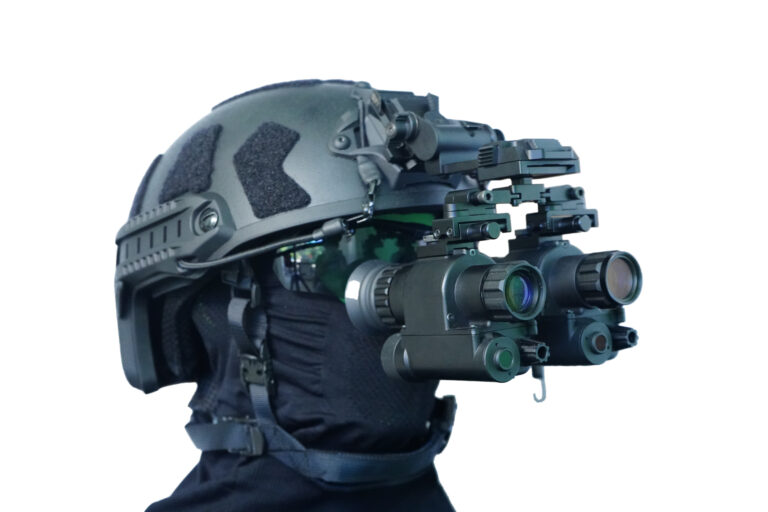
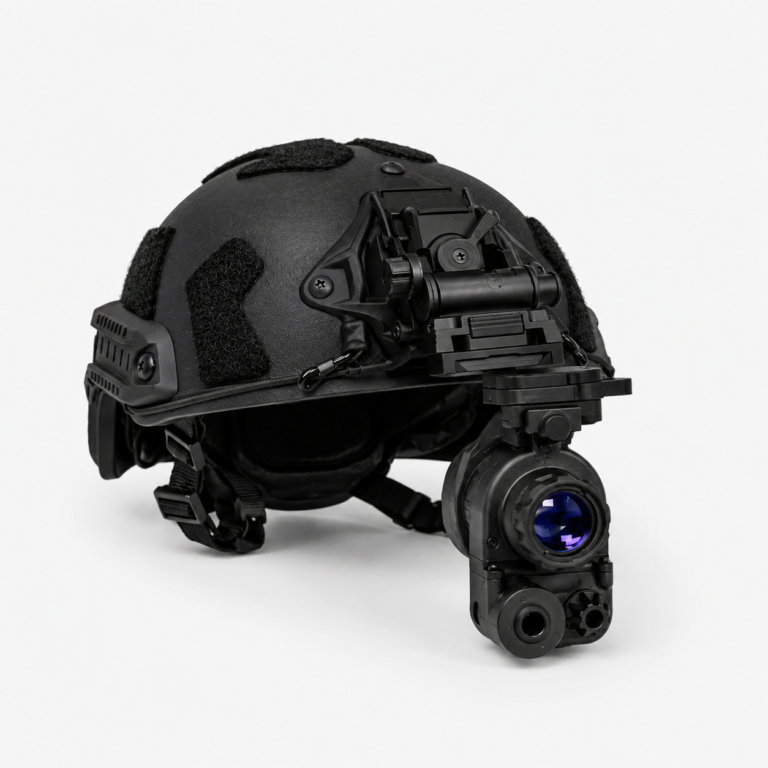
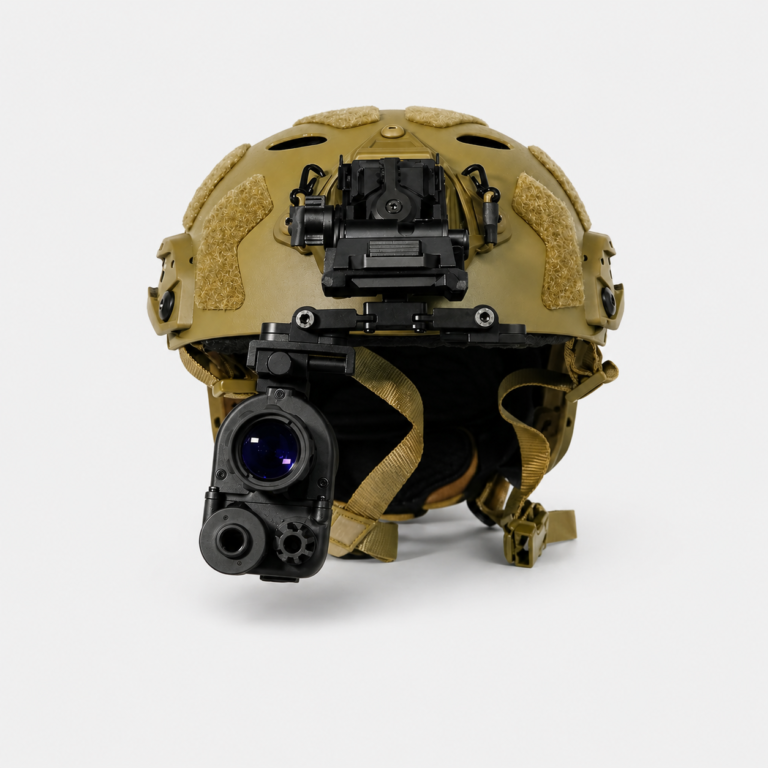
El uso acoplado al casco plantea mayores exigencias a un dispositivo digital de visión nocturna.
Cuando se coloca un dispositivo en un casco, la imagen se mueve al mismo tiempo que la cabeza del usuario. El usuario puede girar rápidamente la cabeza, mirar hacia arriba y hacia abajo o cambiar el enfoque entre zonas cercanas y lejanas.
En esta situación, la frecuencia de actualización cobra especial importancia.
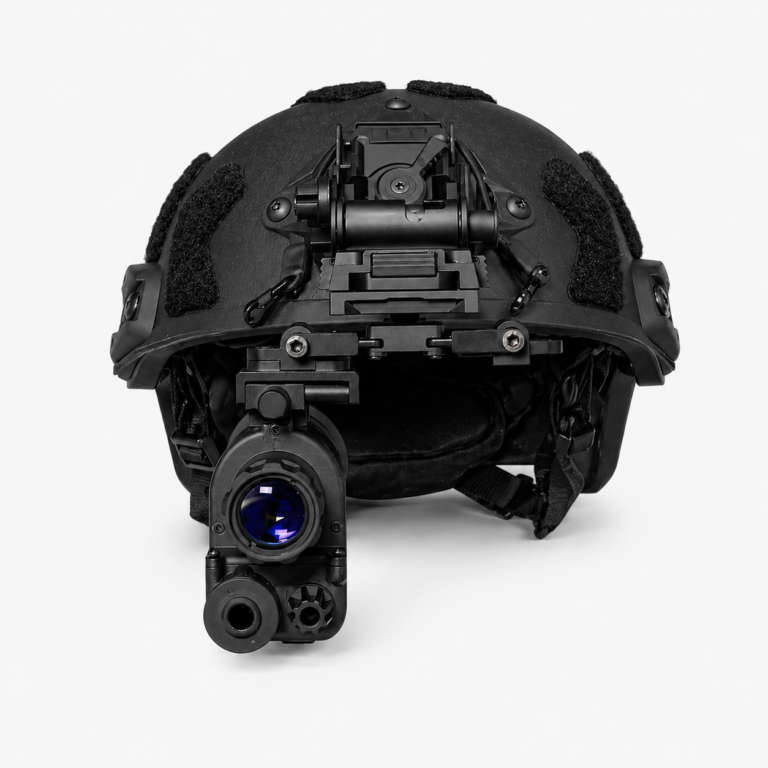
Una frecuencia de actualización más fluida ayuda a reducir la sensación de retraso en la imagen y hace que el dispositivo sea más adecuado para la observación sin necesidad de utilizar las manos. Los compradores que comparen dispositivos digitales de visión nocturna compatibles con el montaje en casco deben tener en cuenta la frecuencia de actualización junto con el peso, el equilibrio, la interfaz de montaje, la duración de la batería y la calidad de la imagen.
Frecuencia de actualización frente al rendimiento del sensor
Para comprender cómo influye el tamaño del sensor en la captura de imágenes con poca luz, lee: Por qué es importante el tamaño del sensor en los dispositivos digitales de visión nocturna.
La frecuencia de actualización es importante, pero no es el único factor que determina la calidad de la imagen.
Un dispositivo digital de visión nocturna sigue necesitando un sensor potente, un buen diseño de la lente, un procesamiento de imágenes eficaz y una calidad de visualización adecuada.
Por ejemplo, un sensor grande y sensible puede ayudar a captar más luz y mejorar la nitidez de la imagen en entornos con poca luz. Un sensor CMOS BSI de 1 pulgada ofrece una base sólida para la captura de imágenes, ya que permite una mejor captación de luz en comparación con muchos diseños de sensores más pequeños.
Cuando el rendimiento del sensor y la frecuencia de actualización se combinan, el dispositivo puede ofrecer unas imágenes más nítidas y una visualización más fluida.
Frecuencia de actualización frente a latencia
La frecuencia de actualización y la latencia están relacionadas, pero no son exactamente lo mismo.
La frecuencia de actualización indica la periodicidad con la que se actualiza la imagen. La latencia describe el retraso que se produce entre lo que ocurre en el mundo real y el momento en que el usuario lo ve en la pantalla.
Una alta frecuencia de actualización puede contribuir a mejorar la experiencia visual, pero el funcionamiento global del sistema sigue dependiendo de la captura del sensor, el procesamiento de la imagen, la respuesta de la pantalla y la optimización del software.
Para quienes desean adquirir dispositivos de visión nocturna digitales, es mejor evaluar la experiencia visual en su conjunto en lugar de fijarse únicamente en una cifra.
Por qué son importantes las pruebas en condiciones reales
Las especificaciones técnicas son útiles, pero sigue siendo necesario realizar pruebas en condiciones reales.
Aunque un dispositivo indique una alta frecuencia de actualización, los compradores deberían fijarse también en los vídeos de pruebas de campo, las pruebas de movimiento y las demostraciones reales en condiciones de poca luz.
Entre las situaciones de prueba útiles se incluyen caminar con el dispositivo, explorar una zona al aire libre, observar objetos a diferentes distancias y comprobar la fluidez de la imagen durante los movimientos de la cabeza.
Estas pruebas ayudan a los compradores a comprender si la frecuencia de actualización se traduce en una experiencia de uso práctica.
Visualización digital UVQ G14 y 100 Hz
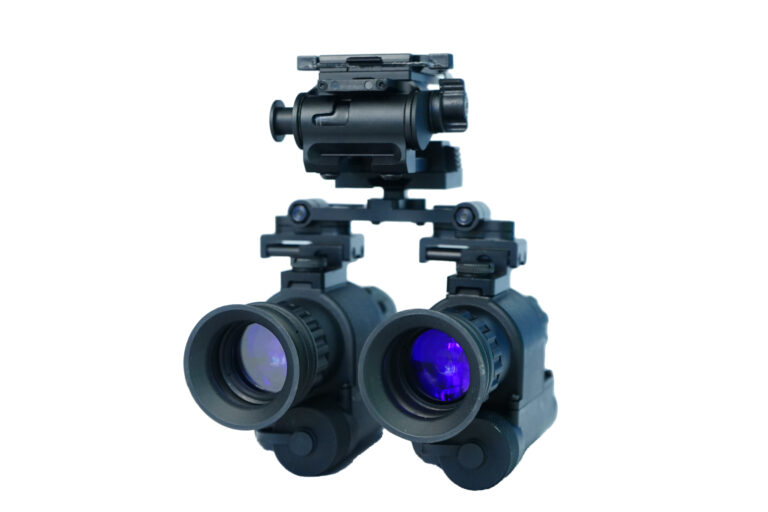
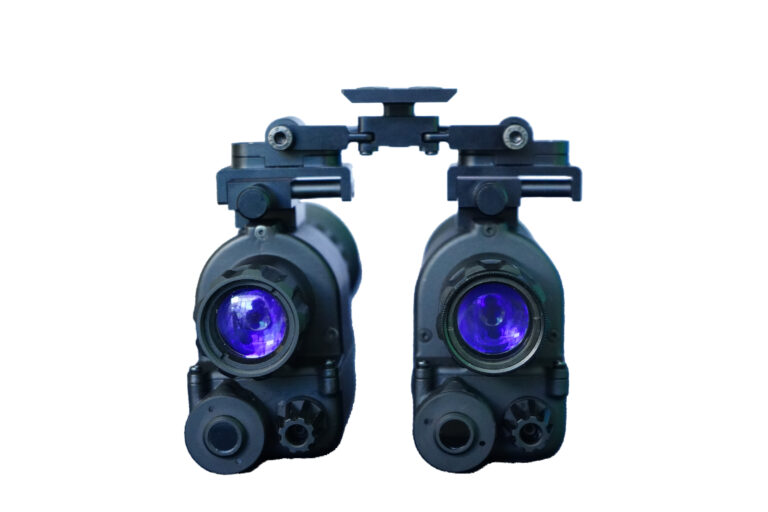
El UVQ G14 Está diseñado como un monocular digital de visión nocturna para la observación en condiciones de poca luz y para aplicaciones B2B modernas.
Combina una frecuencia de actualización de 100 Hz con un sensor CMOS BSI de 1 pulgada, transmisión en tiempo real por WiFi con Android, grabación de vídeo, iluminador IR manual, control automático de ganancia, cuerpo ligero y un diseño compatible con el montaje en casco.
La frecuencia de actualización de 100 Hz contribuye a ofrecer una visualización más fluida durante los movimientos, el barrido y el uso con casco. En combinación con su tecnología de imagen en condiciones de poca luz, el UVQ G14 está pensado para aquellos compradores que necesitan un dispositivo digital de visión nocturna práctico y dotado de funciones digitales modernas.
Para los distribuidores, los desarrolladores de productos y los compradores de OEM/ODM, esta combinación puede facilitar la demostración y la explicación del producto a los usuarios finales.
Reflexiones finales
Los 100 Hz son una característica técnica importante en la visión nocturna digital, ya que influyen en la fluidez, la respuesta al movimiento y la comodidad visual.
Una frecuencia de actualización más alta puede hacer que la imagen resulte más natural cuando el usuario se mueve, echa un vistazo a su alrededor o utiliza el dispositivo con un soporte para casco. Sin embargo, la frecuencia de actualización siempre debe tenerse en cuenta junto con el tamaño del sensor, la calidad de la lente, el procesamiento de la imagen, el rendimiento de la pantalla y las pruebas en condiciones reales.
Para los compradores que comparan dispositivos digitales de visión nocturna, 100 Hz no es solo un número. Forma parte de la experiencia visual global.
Para obtener información general sobre la frecuencia de actualización, los lectores pueden consultar el Descripción general de la frecuencia de actualización en Wikipedia.
Refresh rate only makes sense next to sensor behaviour. Tamaño del sensor covers the other half, the evaluation guide turns both into a test, and the UVQ G14 urban test shows the result in practice. The device referenced is the Monocular digital de visión nocturna UVQ G14.
 English
  Chinese
  Spanish