When buyers evaluate a new digital night vision brand, they often face one important question: can this brand be trusted before placing an order?
This question is especially important for dealers, distributors, brand owners, and OEM/ODM buyers. A new brand may offer strong product value, but buyers still need to check whether the product, specifications, test footage, packaging, communication, and support are reliable.
This guide explains how to evaluate a new digital night vision brand before ordering.
Why Brand Evaluation Matters
Digital night vision is a product category where trust matters.
Buyers are not only purchasing a device. They are also choosing a supplier, a product platform, and a long-term cooperation partner.
Before ordering from a new digital night vision brand, buyers should evaluate:
- Especificaciones del producto
- Real low-light performance
- Test footage quality
- Asistencia para el análisis de muestras
- Accessory completeness
- Packaging quality
- Communication efficiency
- OEM/ODM capability
- Servicio posventa
- Long-term product planning
A new brand should not be judged only by age. It should be judged by product quality, transparency, and cooperation reliability.
Do Not Judge Only by Brand Age
Some buyers prefer established brands because they have longer market history.
This is understandable, but brand age is not the only factor that matters.
A younger digital night vision brand may still be worth evaluating if it provides:
- Clear product specifications
- Real product photos
- Real test footage
- Direct technical communication
- Sample order support
- Flexible product packages
- OEM/ODM cooperation options
- Reasonable pricing structure
For B2B buyers, the key question is not only whether the brand is old or new. The key question is whether the brand can support real sales, customer demonstration, and long-term cooperation.
Check Whether Specifications Are Clear
A reliable digital night vision brand should provide clear specifications.
Buyers should check whether the brand explains important product details such as:
- Sensor type and sensor size
- Lens specification
- Frecuencia de actualización
- Base magnification
- Digital zoom options
- Asistencia técnica de IR
- Función de grabación
- Transmisión por WiFi
- Storage capacity
- Waterproof rating
- Body weight
- Complete setup weight
- Compatibilidad de montaje
If a brand only uses vague words but cannot explain the product clearly, buyers should be careful.
Clear specifications help buyers compare products more accurately and reduce misunderstanding during quotation and resale.
Ask for Real Test Footage
Real test footage is one of the most important materials when evaluating a digital night vision brand.
Product photos and specification sheets are useful, but they cannot fully show real image performance.
Buyers should request or review footage that shows:
- Outdoor low-light scenes
- IR on and IR off comparison
- Movement and scanning
- Different lighting environments
- Recording samples
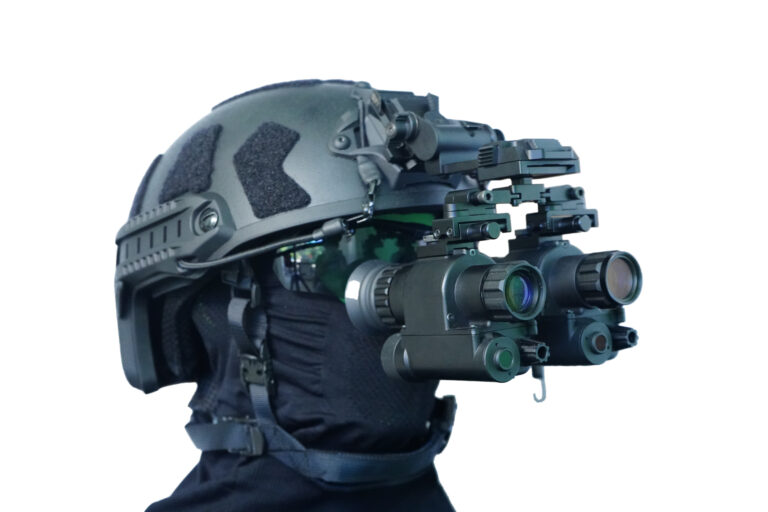
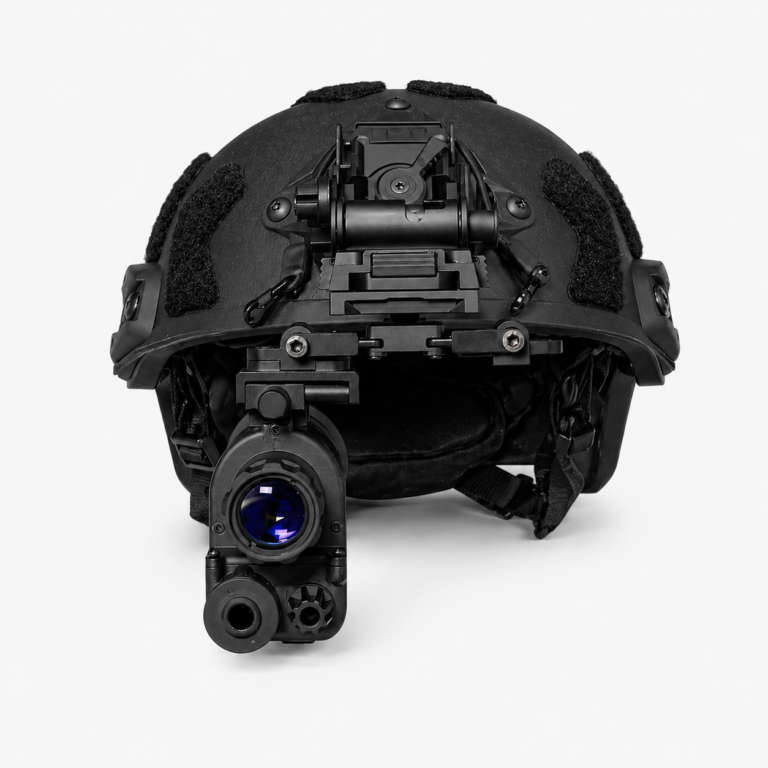
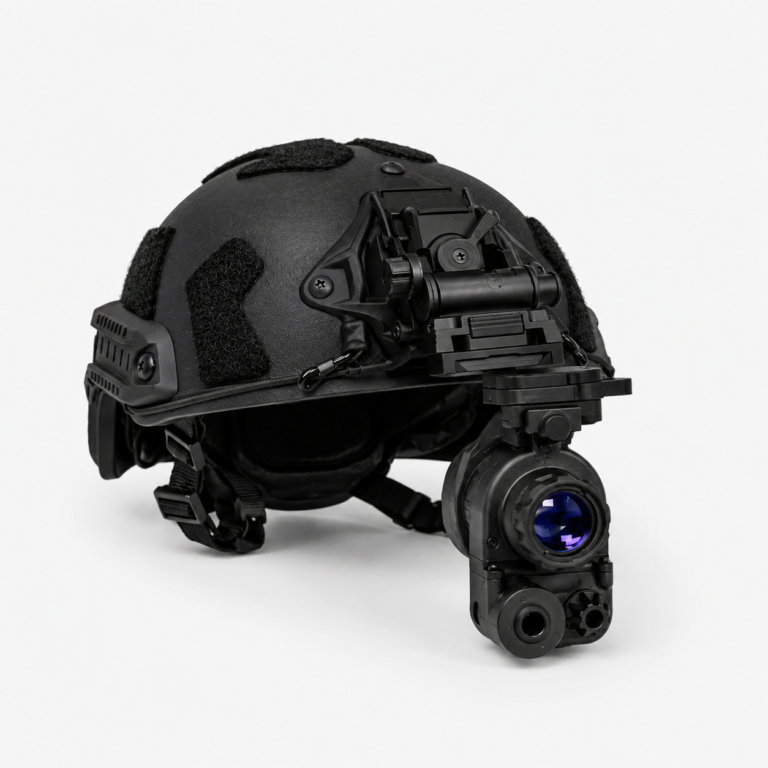
- Helmet-mounted demonstration
- WiFi transmission demonstration
A brand that is confident in its product should be willing to provide real test materials.
Before placing a bulk order, buyers should test a sample whenever possible.
Sample testing helps buyers confirm whether the product performs as expected in real conditions.
During the sample stage, buyers should evaluate both the product and the supplier.
Important sample testing questions include:
- Does the sample match the specification sheet?
- Is the low-light image usable?
- Is the image smooth during movement?
- Does the IR function work clearly?
- Is recording stable?
- Is WiFi transmission easy to test?
- Are accessories complete?
- Is packaging suitable for resale?
- Does the supplier answer questions clearly?
Sample testing reduces risk before larger orders and helps buyers understand whether the product can be sold confidently.
Check Product Photos and Physical Details
Real product photos are important because they show the actual product, not only a concept image or rendering.
Los compradores deben comprobar lo siguiente:
- Product body design
- Lens area
- Buttons and controls
- Mounting interface
- Label and model information
- Accessory details
- Packaging layout
- Overall build quality
For digital night vision products, physical details matter because the device may be used in outdoor, handheld, or helmet-mounted configurations.
Review Accessory Options
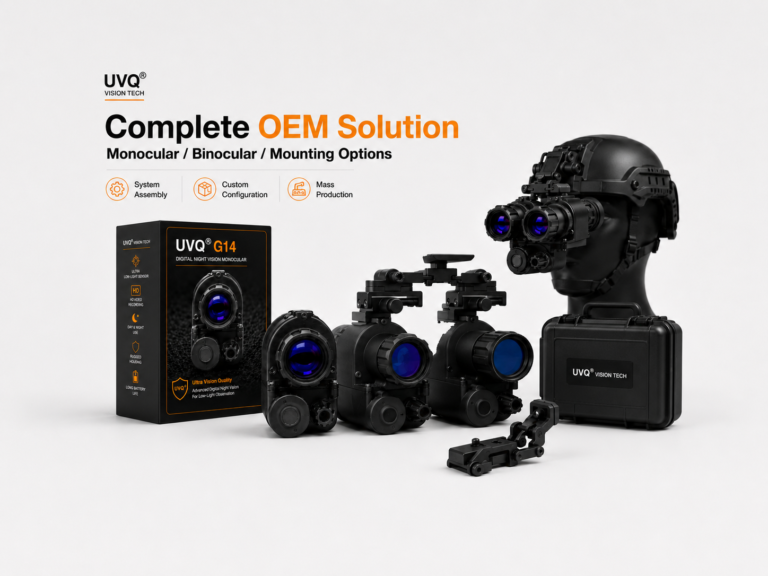
A digital night vision product is often more valuable when it supports different accessories and configurations.
Buyers should check whether the brand can provide accessories such as:
- Adaptador de riel
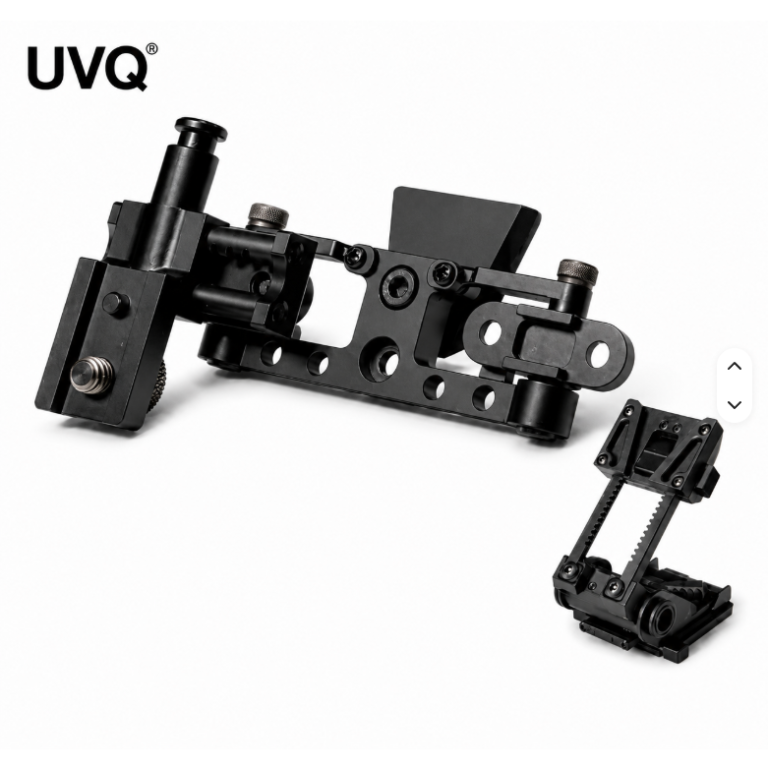
- Soporte abatible
- Interfaz del casco
- Bridge system
- USB Type-C cable
- Carrying case
- Lens protection accessories
- Small mounting parts
Accessory clarity is important for dealers because customers often want to know what is included and what is optional.
A brand with clear accessory planning is usually easier to work with for B2B product packages.
Check Packaging and Documentation
Packaging and documentation affect customer confidence.
For dealers and distributors, a product should not only work well. It should also look professional when presented to customers.
Buyers should check whether the brand can provide:
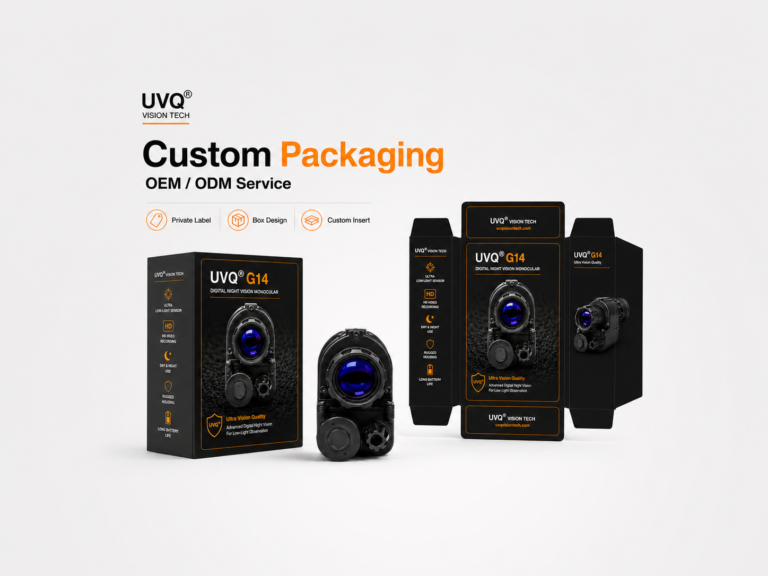
- Diseño de la caja del producto
- Internal protection
- Disposición de los accesorios
- Manual de usuario
- Quick start guide
- Specification sheet
- Información sobre la garantía
- Fotos de productos
- FAQ material
Clear documentation can reduce after-sales questions and make dealer training easier.
Evaluate Communication Quality
Communication is part of supplier reliability.
A buyer should check whether the brand responds clearly and professionally during the early contact stage.
Important communication points include:
- Does the supplier answer technical questions directly?
- Are product specifications consistent?
- Can the supplier explain package options?
- Can the supplier provide real test videos?
- Can the supplier discuss sample orders clearly?
- Can the supplier support OEM/ODM questions?
- Does the supplier avoid exaggerated claims?
Good communication helps buyers reduce risk and build confidence before ordering.
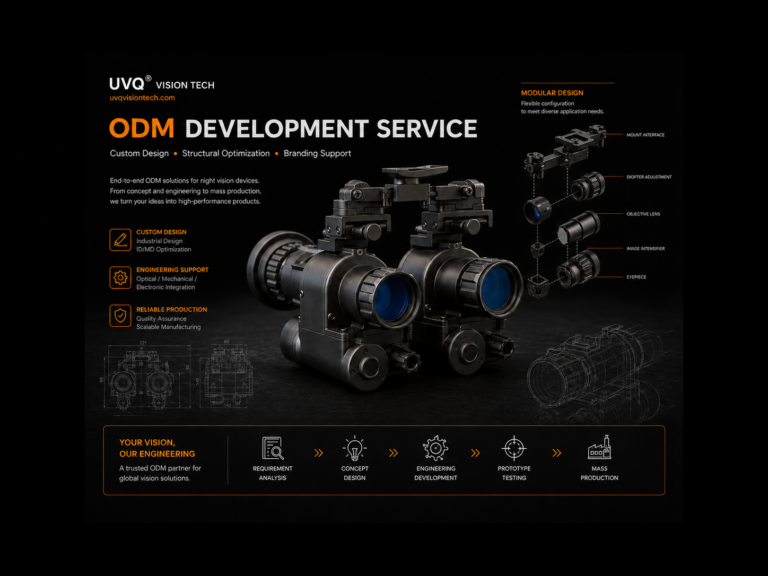
Check OEM/ODM Capability
Para los propietarios de marcas y los distribuidores, OEM/ODM support may be an important reason to work with a new digital night vision brand.
OEM/ODM capability may include:
- Private label support
- Customized packaging
- Customized user manual
- Accessory bundle planning
- Product page materials
- Dealer support materials
- Sample testing cooperation
OEM/ODM support should be practical. It should help buyers create a market-ready product, not only print a logo on the box.
Check Whether the Brand Has a Clear Product Direction
A reliable digital night vision brand should have a clear product direction.
Buyers should check whether the brand focuses on a real product category and continues to improve its product line.
For digital night vision, a clear product direction may include:
- Rendimiento de la imagen en condiciones de poca luz
- Digital night vision monoculars
- Helmet-mounted configurations
- Recording and WiFi functions
- Accessory systems
- Dealer-ready product packages
- OEM/ODM cooperation
A focused brand is usually easier for dealers to understand and promote.
Do Not Rely Only on Price
Price is important, but it should not be the only decision factor.
A low price may look attractive at first, but buyers should also consider:
- Image performance
- Product reliability
- Accessory completeness
- Packaging quality
- Documentation
- Supplier support
- After-sales communication
- Long-term cooperation value
For B2B buyers, the best product is not always the cheapest one. It is the product that can be explained, demonstrated, sold, and supported effectively.
UVQ as a New Digital Night Vision Brand
UVQ is still a young brand. We do not have decades of history to talk about. So we have chosen another way to earn trust: honest specifications, real-world testing, and direct communication with every customer.
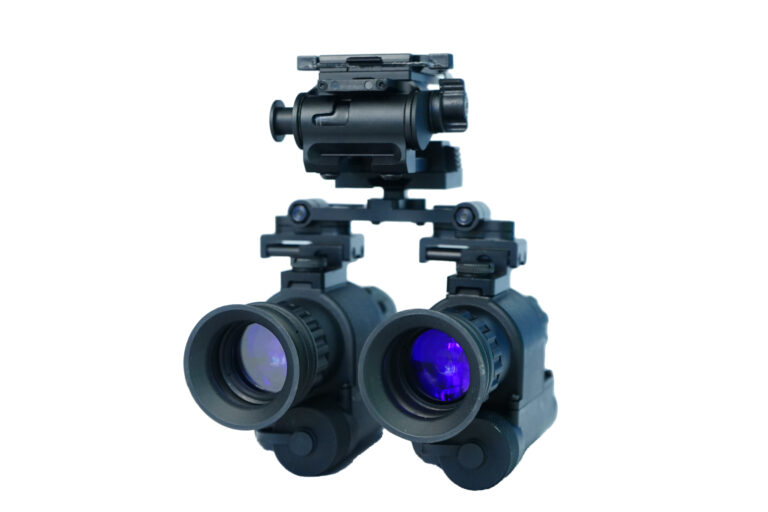
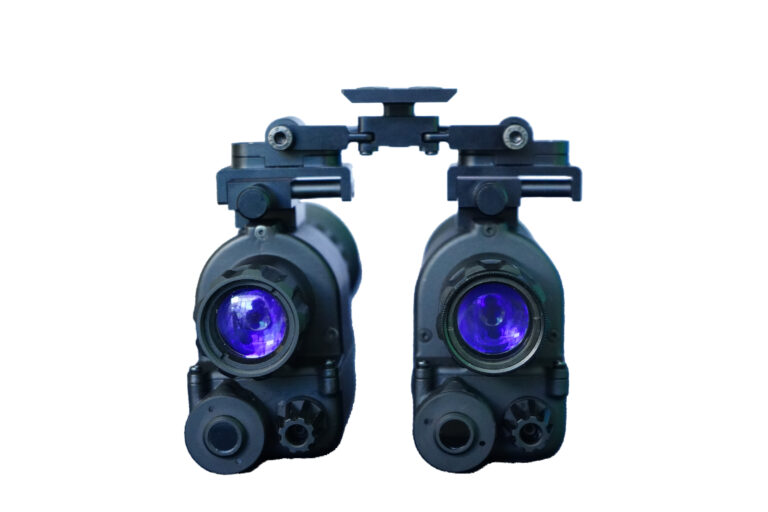
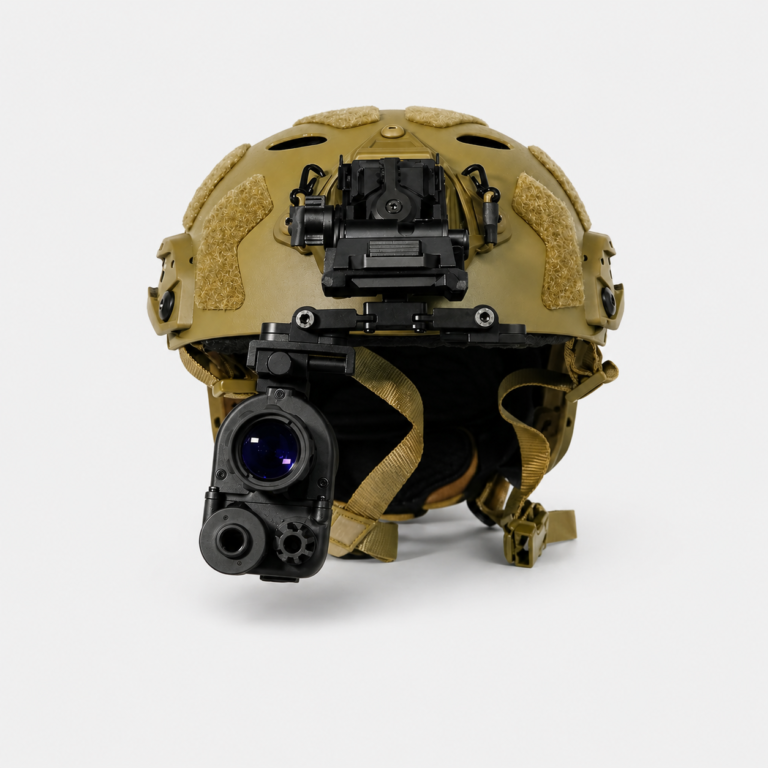
El Monocular digital de visión nocturna UVQ G14 is designed for low-light observation, helmet-mounted configuration, video recording, Android WiFi real-time image transmission, sample testing, dealer demonstration, and OEM/ODM cooperation.
Key features include:
- Sensor CMOS BSI de 1 pulgada
- 50/100Hz imaging
- 1x base magnification
- Digital zoom options
- Iluminación IR manual
- Video recording and image capture
- Transmisión de imágenes en tiempo real por WiFi en Android
- 32 GB de almacenamiento integrado
- Transferencia de datos mediante USB tipo C
- IP67 waterproof protection
- Lightweight body design
- Helmet-mounted configuration options
For dealers, distributors, brand owners, and OEM/ODM buyers, UVQ focuses on providing clear product information, real test materials, flexible package options, and direct B2B communication.
New Digital Night Vision Brand Evaluation Checklist
| Evaluation Area |
What Buyers Should Check |
| Specifications |
Sensor, refresh rate, magnification, recording, WiFi, weight, and mounting options |
| Real performance |
Outdoor low-light footage, IR comparison, movement, and recording samples |
| Sample testing |
Product usability, accessory compatibility, packaging, and supplier response |
| Accesorios |
Rail adapter, flip-up mount, bridge system, cable, case, and optional parts |
| Packaging |
Box design, internal protection, accessory layout, and OEM/ODM options |
| Communication |
Technical answers, quotation clarity, response speed, and support quality |
| B2B cooperation |
Sample support, dealer materials, OEM/ODM support, and long-term product planning |
Reflexiones finales
Evaluating a new digital night vision brand requires more than checking how long the brand has existed.
Buyers should look at product specifications, real test footage, sample testing support, accessory options, packaging, documentation, communication quality, OEM/ODM capability, and long-term product direction.
A new brand can still be worth considering if it provides transparent information, practical product performance, and reliable cooperation support.
For dealers and B2B buyers, the best decision is to evaluate the product carefully, test samples when possible, and choose a brand that can support real sales, customer demonstrations, and long-term cooperation.
A brand claim is only as good as what you can verify. Certification is covered in CE/RED and RoHS compliance, trademark status in US trademark registration, and the sourcing questions in the supplier guide for B2B buyers. The brand used as the worked example is the Monocular digital de visión nocturna UVQ G14.

 English
  Chinese
 Spanish