
Choosing a digital night vision monocular doesn’t simply involve considerations like magnification or appearance.
The actual performance of the device depends on several factors, including the size of the sensor, sensitivity in low-light conditions, image processing capabilities, and usability in real-world environments.
In this guide, we will discuss the key factors you should consider before purchasing a monocular for night vision viewing, especially when used for outdoor observation, security purposes, hunting, or field work.
1. Sensor size (The most important factor)
A larger sensor generally provides:
Higher image clarity
Fewer noises in dark environments
For example, a 1-inch CMOS sensor offers significantly better light collection compared to smaller sensors, making it suitable for ultra-low-light environments.
👉 Key takeaway:
Sensor size is more important than digital zoom or marketing numbers.
2. Low-Light Performance (Lux Rating)
Low-light performance is usually measured in Lux.
When comparing devices:
- Lower Lux value = better performance in darkness
- High-quality devices can perform in extremely low-light environments
However, real performance depends not only on Lux but also on sensor + image processing.
3. Frame Rate (Smoothness of Image)
Frame rate affects how smooth the image feels when you move the device.
- 30Hz → basic smoothness
- 50Hz → good real-time performance
- 100Hz → very smooth, low motion blur
👉 Higher frame rate = better viewing experience, especially for moving targets.
4. Infrared (IR) Support
Infrared illumination helps in complete darkness.
Key things to check:
- Adjustable IR intensity
- Manual IR control
- Effective range in real field conditions
IR is essential when there is zero ambient light.
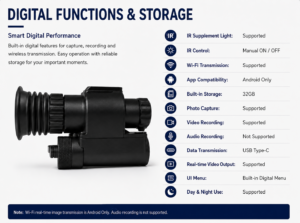
5. WiFi & Real-Time Transmission
Modern digital night vision devices may support WiFi connection to mobile apps.
Benefits:
- Real-time viewing on phone
- Easier sharing and recording
- Remote monitoring capability
👉 Important:
Some devices only support Android systems, not iOS.
6. Mounting Compatibility
For professional use, mounting options matter:
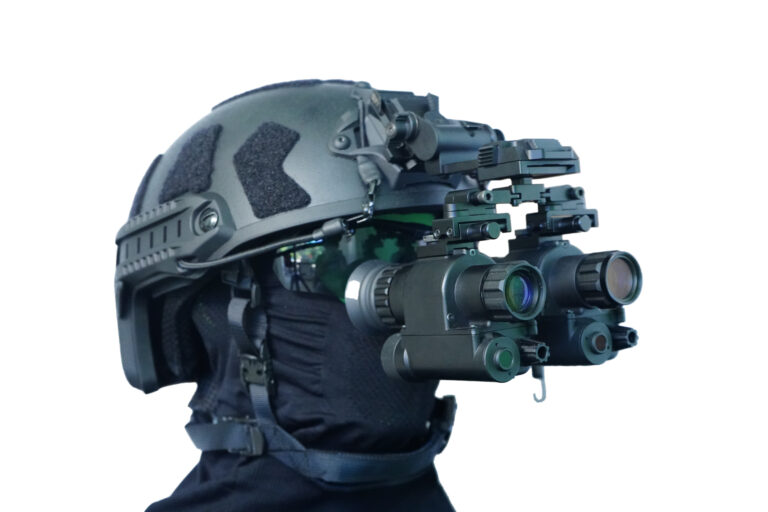
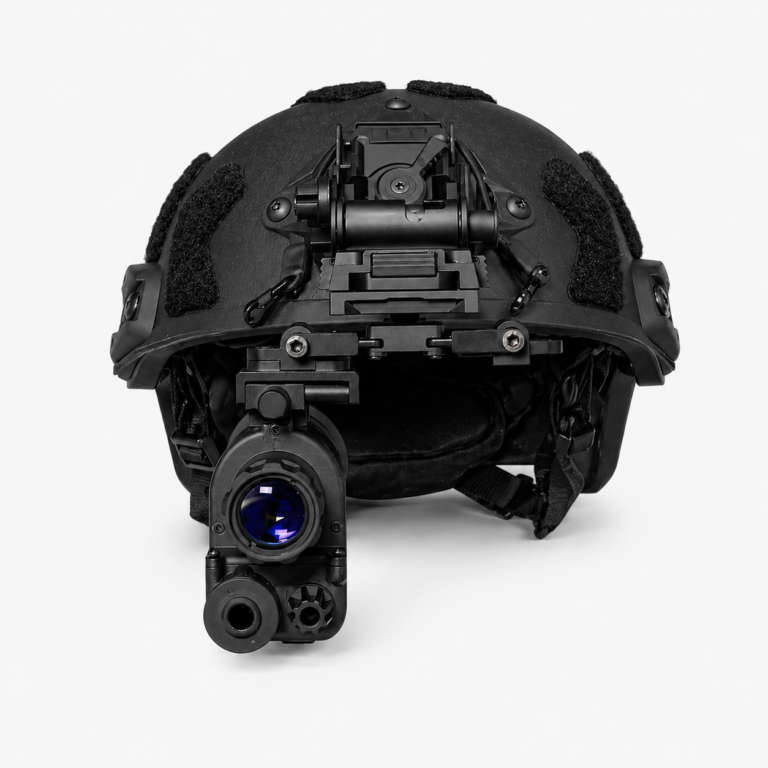
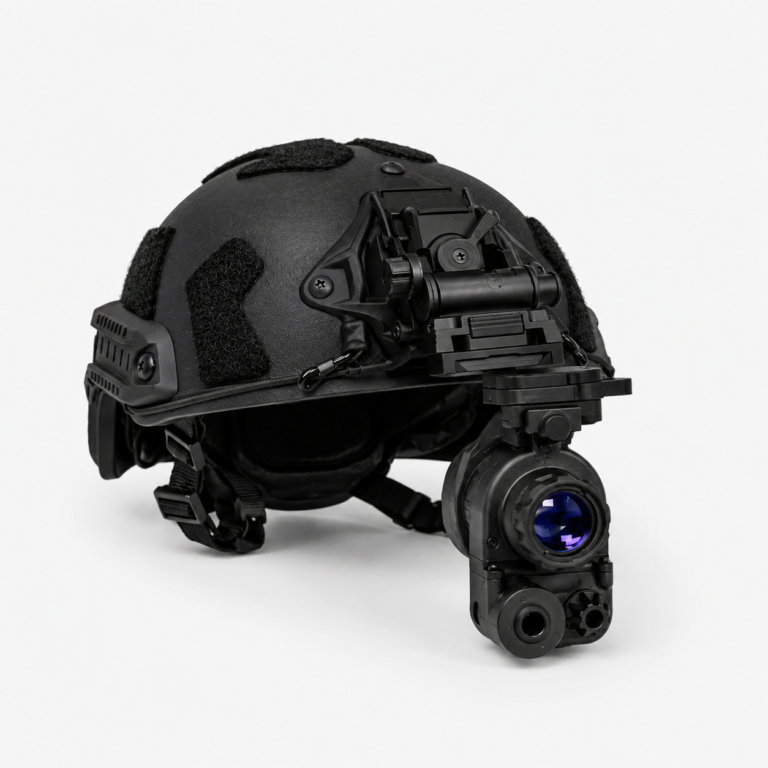
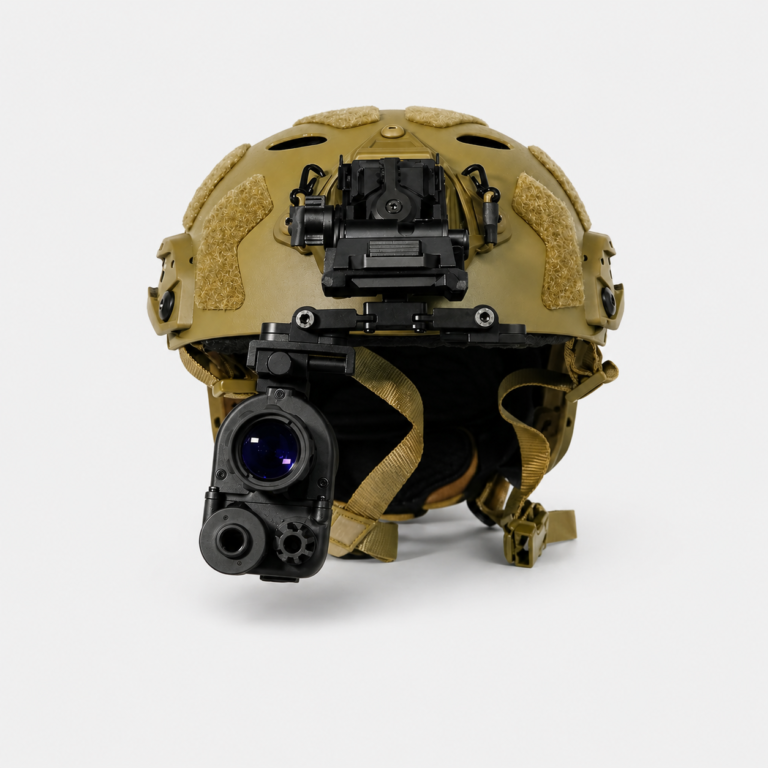
- Helmet mount
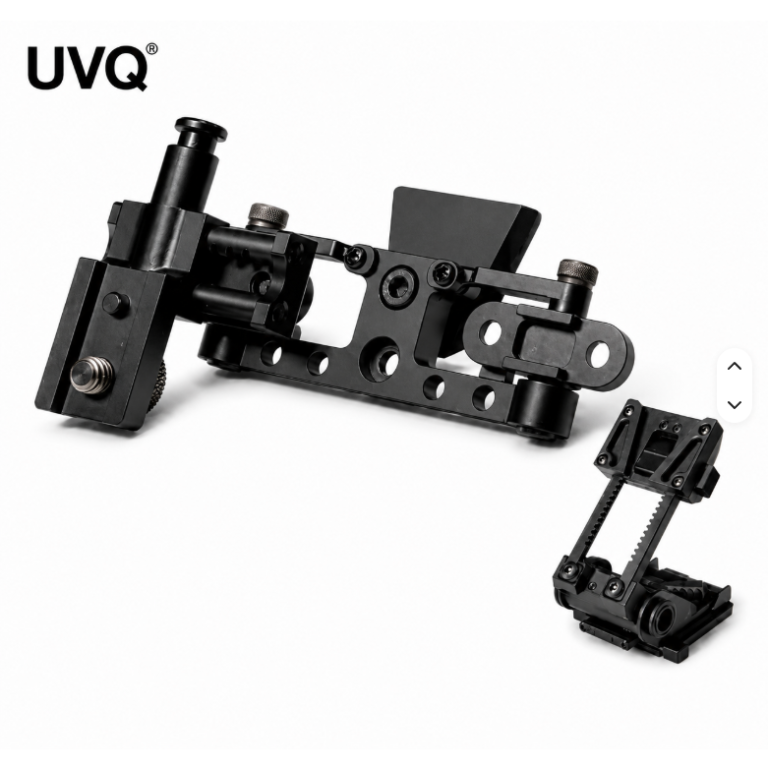
- Rail mount
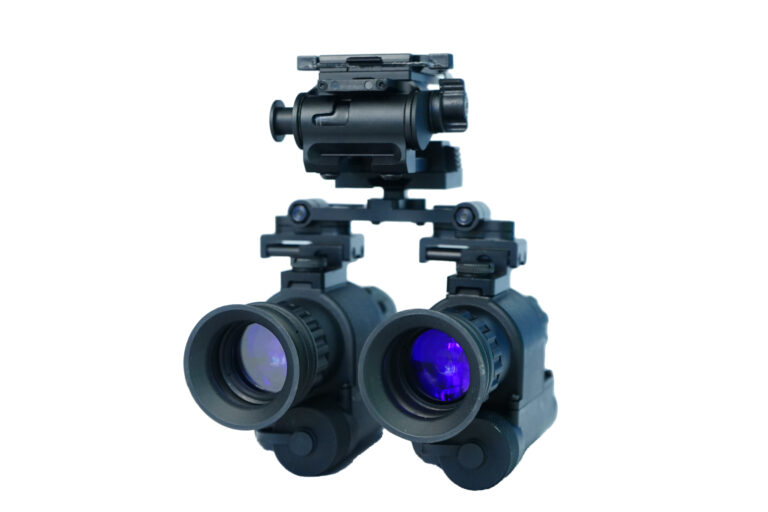
- Flip-up systems
A flexible mounting system improves usability in field operations.
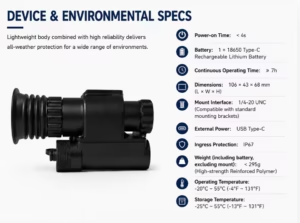
7. Weight and Ergonomics
A lightweight design improves long-time usability.
Consider:
- Total device weight
- Balance when helmet-mounted
- Handheld comfort
Heavier devices may cause fatigue during extended use.
8. Storage & Recording
Most modern devices support:
- Photo capture
- Video recording
- External storage (e.g., SD card)
This is important for documentation, training, and review.
When choosing a digital night vision monocular, the most important factors are:
- Sensor size
- Low-light performance
- Frame rate
- IR capability
- Real usability in field conditions
Instead of focusing only on specifications, consider how the device performs in real-world conditions.
For buyers who require Android-based WiFi transmission and video recording capabilities, please refer to the description of the UVQ G14 Digital Night Vision Monocular with Android WiFi and Video Recording feature.
For customers who need a standard compact device for low-light conditions, please refer to the UVQ G14 Digital Night Vision Monocular.
For mounting instructions, you can also refer to the UVQ G14 Accessories collection.
For general background information about night vision technology, you may also refer to the night vision overview on Wikipedia.
If the shortlist is down to digital platforms, the next step is to compare the two formats against the actual use case. Our helmet mounted vs handheld night vision comparison covers the trade-offs, and digital night vision vs traditional night vision explains where a digital sensor changes the picture. For the specification that matters most, see why sensor size matters in digital night vision devices. Two configurations that cover most professional briefs are the UVQ G14 digital night vision monocular and the Android WiFi version.
 English
  Chinese
  Spanish