Low-light performance is one of the most important factors when choosing a digital night vision device.
For many buyers, specifications alone are not enough. A product may list sensor size, refresh rate, recording function, WiFi transmission, and IR support, but the real question is simple:
How well does the device actually perform in low-light environments?
This guide explains how buyers, dealers, and OEM/ODM partners can evaluate low-light performance in digital night vision devices.
Why Low-Light Performance Matters
Digital night vision devices are designed to help users see more clearly when natural light is limited.
Good low-light performance can improve:
- Image brightness
- Detail visibility
- Viewing comfort
- Product demonstration quality
- Recording usefulness
- Customer confidence
For B2B buyers, low-light performance is also important because it affects how easy the product is to explain, demonstrate, and sell.
A strong product should not only look good in product photos. It should also provide reliable image output in real-world low-light conditions.
Specifications Are Important, But Not Enough
Specifications are useful for comparing digital night vision devices, but they do not tell the whole story.
Buyers may see technical terms such as:
- Sensor size
- Lens aperture
- Refresh rate
- Display resolution
- IR illuminator
- Video recording
- WiFi transmission
These specifications are important, but final performance depends on how the complete imaging system works together.
A device with strong hardware but poor image processing may still produce weak results. A device with good recording function but unstable low-light imaging may not be suitable for serious product demonstration.
This is why real testing is necessary.
Sensor size is one of the first things buyers should check.
A larger sensor can usually collect more light, which can help improve image brightness and detail in low-light environments.
For digital night vision devices, sensor performance affects:
- Low-light sensitivity
- Image clarity
- Noise control
- Detail retention
- Usability without strong external illumination
A digital night vision product with a large-format sensor can provide a stronger foundation for real low-light imaging.
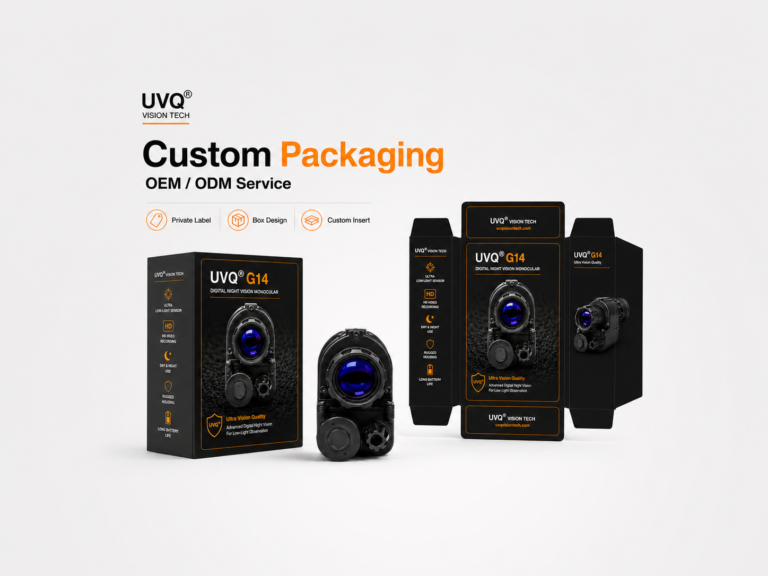
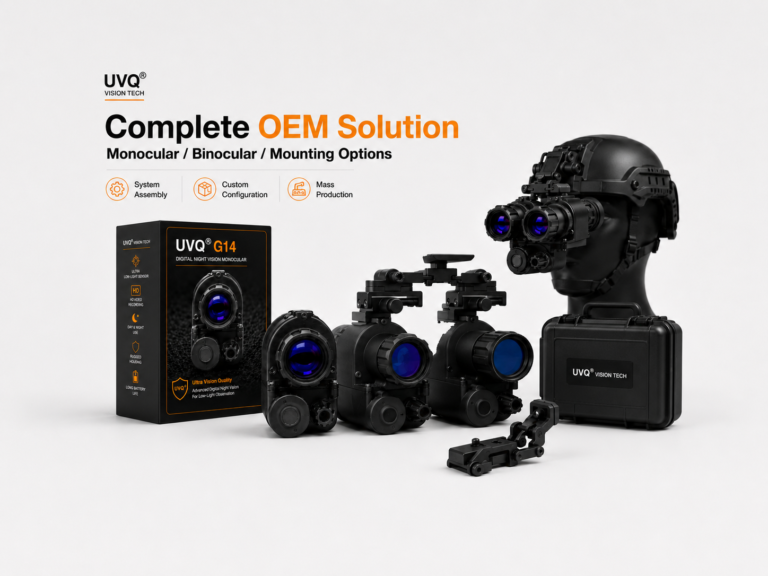
For example, the UVQ G14 digital night vision monocular is designed for real outdoor low-light performance.
However, sensor size should still be evaluated together with lens quality, image processing, refresh rate, and overall device design.
Evaluate Image Clarity
Low-light performance is not only about brightness.
A bright image is useful, but if the image is noisy, blurry, or lacks detail, the viewing experience may still be poor.
Buyers should check whether the device can show:
- Object outlines
- Ground details
- Trees, buildings, or background structures
- Movement clarity
- Usable contrast
- Stable image quality
A good digital night vision device should provide both brightness and useful detail.
For product demonstrations, image clarity is often more convincing than written specifications.
Check Noise Control
Noise is a common issue in low-light imaging.
When the environment is dark, the device may increase gain to make the image brighter. If noise control is weak, the image can become rough, grainy, or unstable.
Buyers should evaluate:
- Whether the image remains clean in low light
- Whether noise increases heavily in darker scenes
- Whether details are still visible
- Whether the image looks stable during movement
Good noise control helps improve viewing comfort and makes recorded video more useful.
For B2B buyers, this is especially important because test footage may be used for customer demonstrations or sales materials.
Test Different Real-World Environments
Low-light conditions vary greatly.
A device may perform well in one environment but less effectively in another.
Buyers should test digital night vision devices in different scenes, such as:
- Outdoor low-light areas
- Open fields
- Tree-covered environments
- Urban night scenes
- Indoor dark rooms
- Areas with limited background light
This helps buyers understand how the device performs across practical use cases.
Real-world testing is more valuable than only checking product photos or studio images.
Compare IR On and IR Off Performance
Many digital night vision devices support IR illumination.
IR can help improve visibility when natural light is extremely limited. However, buyers should understand the difference between performance with IR and without IR.
When testing, compare:
- Image quality without IR
- Image quality with IR
- Detail visibility
- Viewing distance
- Image balance
- Power consumption impact
- Ease of IR control
A strong digital night vision product should be able to perform well in low-light environments and also provide IR support when additional illumination is needed.
Manual IR control can be useful because it allows users to adjust based on the environment.
Check Movement Smoothness
Low-light performance should also be evaluated during movement.
A device may look acceptable when pointed at a still object, but movement can reveal problems such as image delay, blur, or discomfort.
Buyers should check:
- Smoothness while scanning
- Image stability during movement
- Viewing comfort
- Delay or lag
- Motion blur
- Refresh rate performance
A higher refresh rate can help improve the viewing experience, especially when the user is moving or scanning an area.
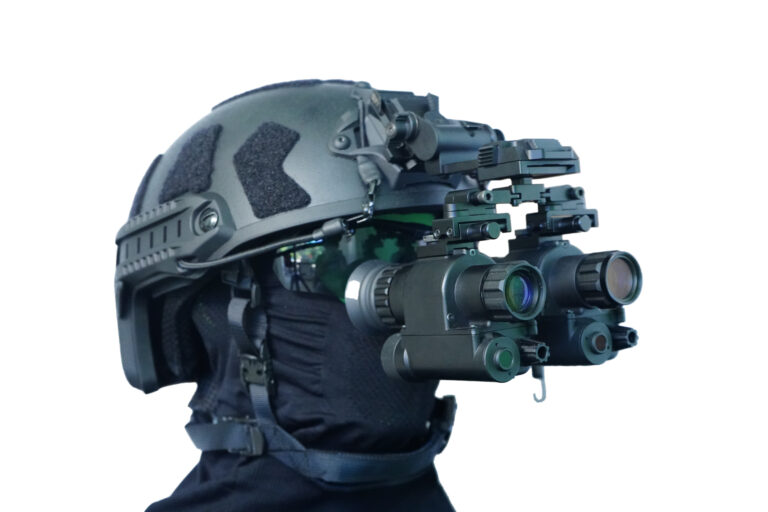
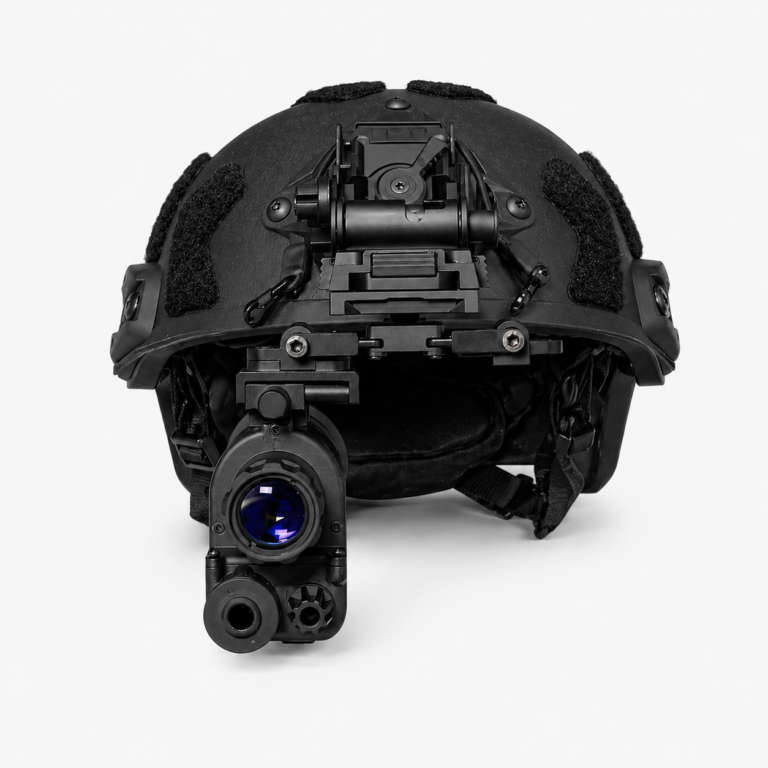
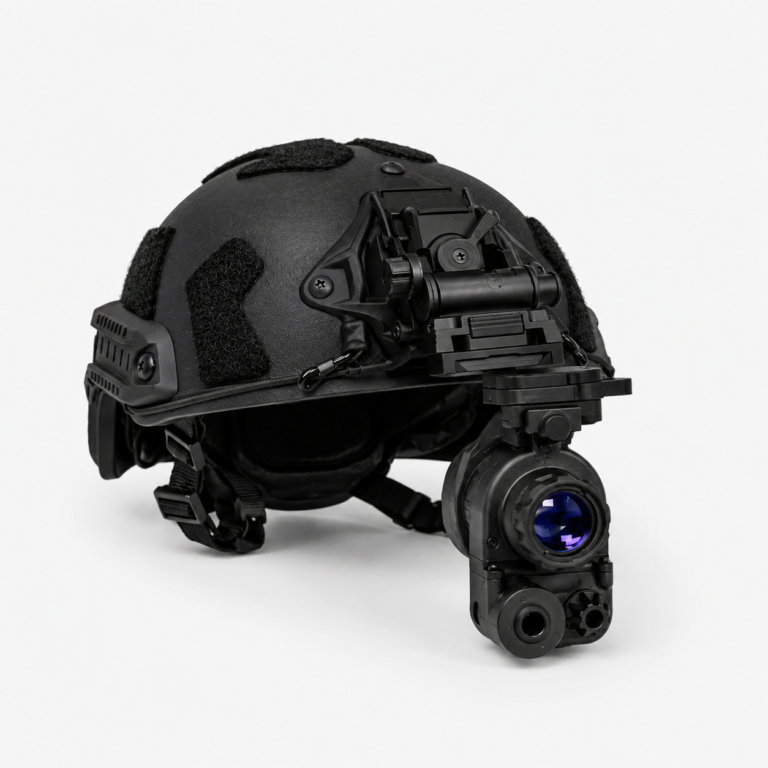
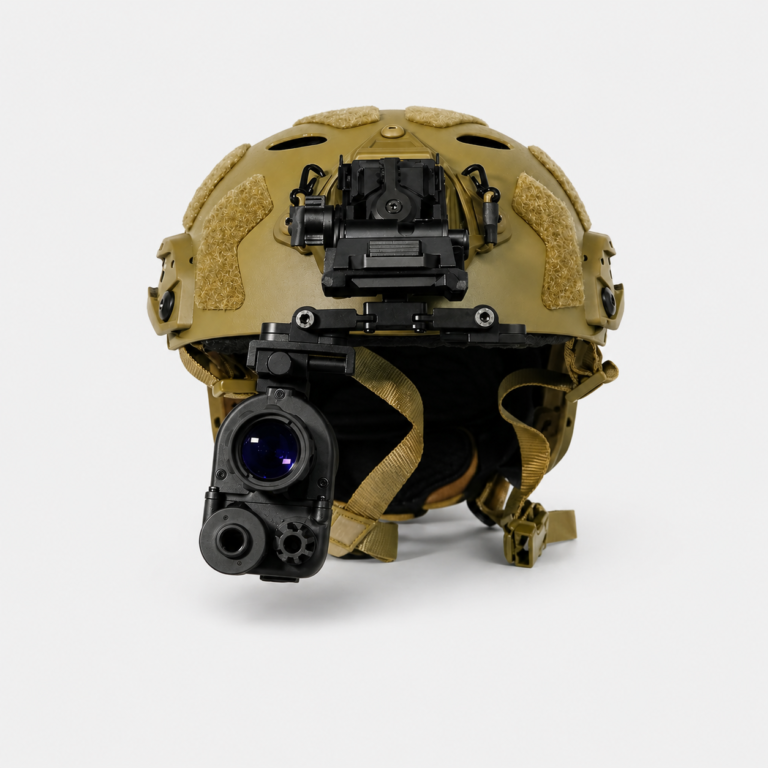
For helmet-mounted configurations, smooth viewing is especially important because users may move their head while observing.
Video recording is useful for evaluating low-light performance.
A recorded video allows buyers to compare results, share test footage, and support internal decision-making.
When reviewing recorded footage, buyers should check:
- Brightness
- Detail clarity
- Noise level
- Image stability
- Movement smoothness
- IR performance
- File quality
- Whether the footage is useful for demonstration
For dealers and distributors, real test footage can also become useful product material for customer education and marketing.
Check WiFi Transmission Quality
Some digital night vision devices support real-time image transmission to mobile devices.
This can be useful for product demonstrations, testing, and customer presentations.
When evaluating WiFi transmission, buyers should check:
- Connection stability
- Image delay
- Mobile display quality
- Real-time viewing experience
- Compatibility requirements
- Ease of setup
WiFi transmission does not replace low-light performance, but it can make the product easier to demonstrate and explain.
For B2B buyers, this can support sample testing and dealer training.
Evaluate the Full System, Not One Feature
Low-light performance is the result of a complete imaging system.
Buyers should evaluate:
- Sensor size
- Lens quality
- Image processing
- Refresh rate
- IR support
- Display quality
- Recording function
- WiFi transmission
- sensor sizeDevice weight
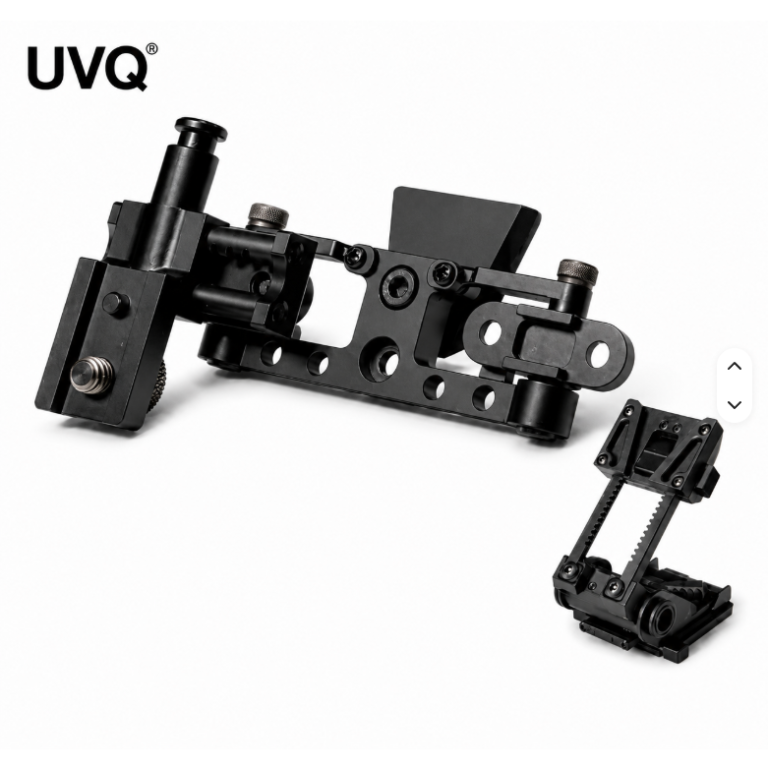
- Mounting compatibility
- User operation experience
A single strong specification does not automatically make a product strong.
The best digital night vision devices combine practical hardware, stable software, clear imaging, and useful product functions.
UVQ G14 Low-Light Imaging Platform
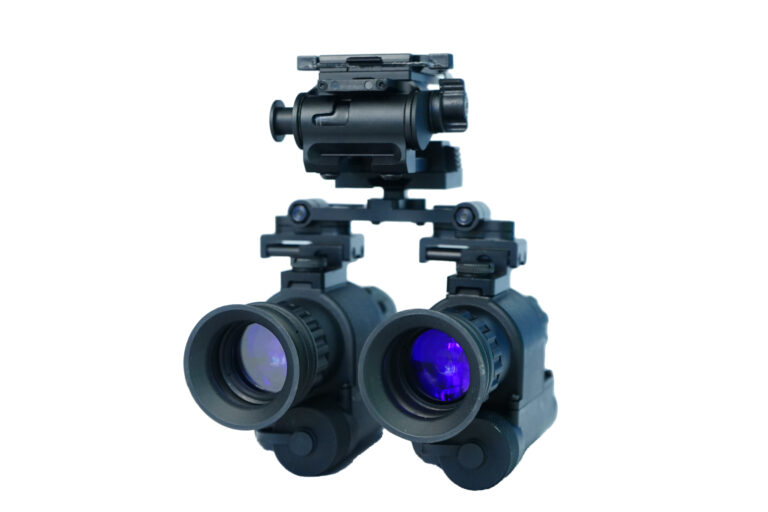
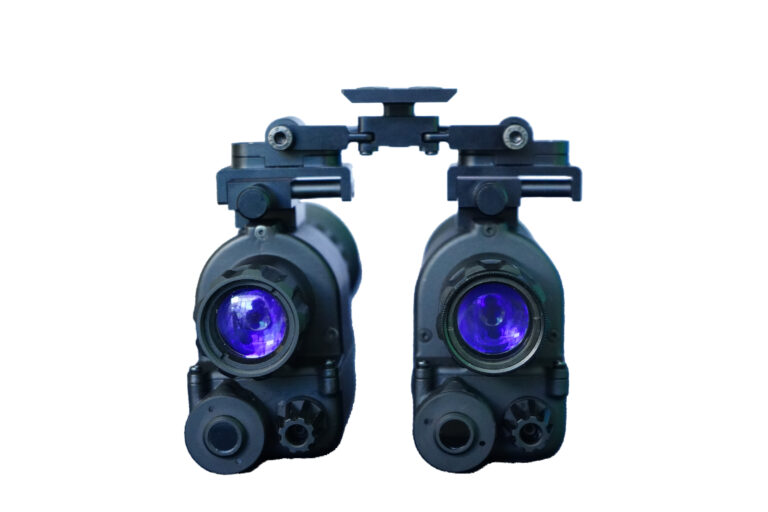
The UVQ G14 digital night vision monocular is designed for low-light observation and B2B product applications.
It supports a 1-inch BSI CMOS sensor, 50/100Hz imaging, Android WiFi real-time transmission, video recording, manual IR illumination, lightweight body, and helmet-mounted configuration options.
For dealers, distributors, and OEM/ODM buyers, the UVQ G14 provides a flexible platform for product demonstration, sample testing, customer comparison, and low-light image evaluation.
Its combination of low-light imaging, recording, WiFi transmission, and mounting options makes it suitable for different digital night vision product configurations.
Final Thoughts
Low-light performance is one of the most important things to evaluate when choosing a digital night vision device.
Buyers should not rely only on specifications. Real test footage, image clarity, noise control, IR performance, movement smoothness, and recording quality should all be checked.
For B2B buyers, strong low-light performance can make a product easier to demonstrate, easier to explain, and easier to sell.
A good digital night vision device should provide practical image quality in real-world low-light conditions, not only attractive specifications on paper.
Evaluation is easier when the underlying variables are understood. Sensor size and refresh rate explain what you are measuring, and real test footage shows the evidence to request. The UVQ G14 digital night vision monocular is the reference unit in this guide.

 English
  Chinese
 Spanish