When buyers evaluate helmet-mounted digital night vision devices, image quality is usually the first thing they check.
Sensor size, refresh rate, IR support, video recording, and WiFi transmission are all important. However, there is another factor that strongly affects real-world usability:
Weight.
For helmet-mounted digital night vision, lightweight design can make a major difference in comfort, balance, stability, and long-term use.
This article explains why lightweight design matters and what buyers should check before choosing a helmet-mounted digital night vision setup.
Helmet-mounted night vision is different from handheld observation.
When a device is mounted in front of the user’s eyes, its weight is carried by the head and neck. Even a small increase in front-mounted weight can become noticeable during longer observation sessions.
A heavy front-mounted device may cause:
- Neck fatigue
- Poor balance
- Unstable viewing
- Lower comfort
- Shorter practical use time
- More pressure on the mounting system
This is why weight is not only a product specification. It is part of the user experience.
For B2B buyers, dealers, and OEM/ODM partners, lightweight design can make the product easier to demonstrate, explain, and sell.
Lightweight Design Improves Comfort
Comfort is one of the most direct benefits of lightweight digital night vision.
A lighter device reduces pressure on the helmet system and makes the setup easier to wear for longer periods.
This is especially important when users need continuous observation or repeated testing.
A device may have strong imaging performance, but if it feels too heavy during helmet-mounted use, the overall experience may still be poor.
For buyers comparing different products, weight should be evaluated together with image quality and mounting compatibility.
Front-Mounted Weight Is Especially Important
The position of the weight matters.
A device mounted at the front of a helmet creates leverage. This means the user may feel more pressure than the actual device weight suggests.
For example, a front-mounted device that feels acceptable when held by hand may feel heavier when attached to a helmet.
Buyers should pay attention to:
- Device body weight
- Mount weight
- Rail or adapter weight
- Bridge weight for binocular setups
- Front-to-rear balance
- Helmet comfort
A good helmet-mounted digital night vision setup should not only be functional. It should also feel balanced and practical.
Stability Depends on Both Weight and Mounting Quality
A lightweight device can help improve mounting stability.
When the device is too heavy, the mounting system may experience more stress. This can lead to small movements, looseness, or reduced comfort.
However, lightweight design alone is not enough.
Buyers should also check:
- Mounting interface stability
- Flip-up mount quality
- Rail adapter fit
- Adjustment range
- Locking mechanism
- Bridge alignment for binocular setups
The best result comes from a lightweight device combined with reliable mounting accessories.
Handheld vs Helmet-Mounted Weight Experience
A device may feel light when used by hand, but helmet-mounted use is different.
In handheld use, the user can change hand position, rest the device, or share it with another person.
In helmet-mounted use, the device stays in front of the user’s eyes. The weight remains on the helmet system throughout the observation session.
This makes weight more important for helmet-mounted configurations than for casual handheld use.
Buyers should evaluate the product in its intended configuration, not only as a single standalone device.
Why Lightweight Design Matters for Binocular Setups
Binocular setups require even more attention to weight.
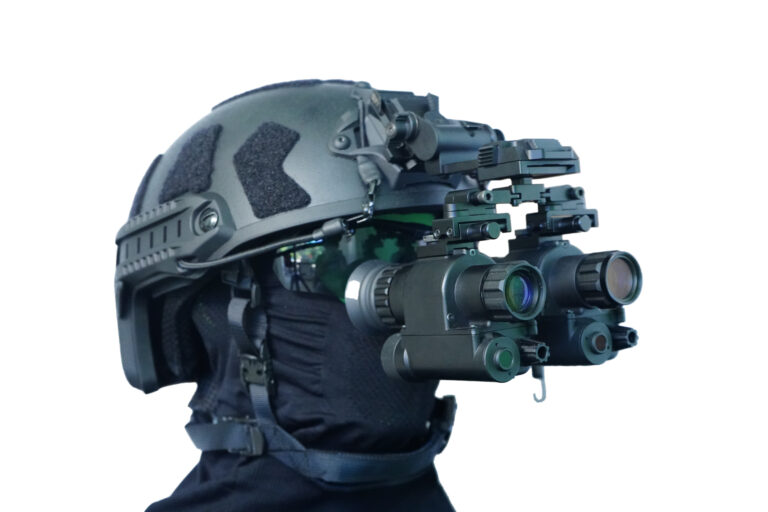
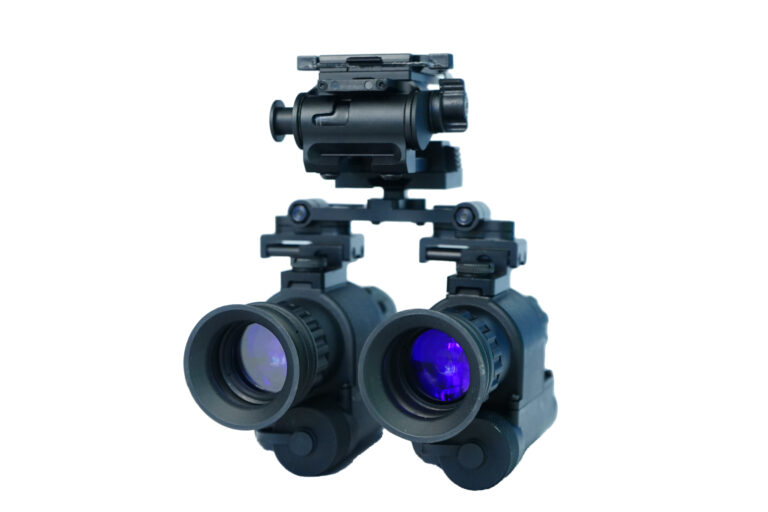
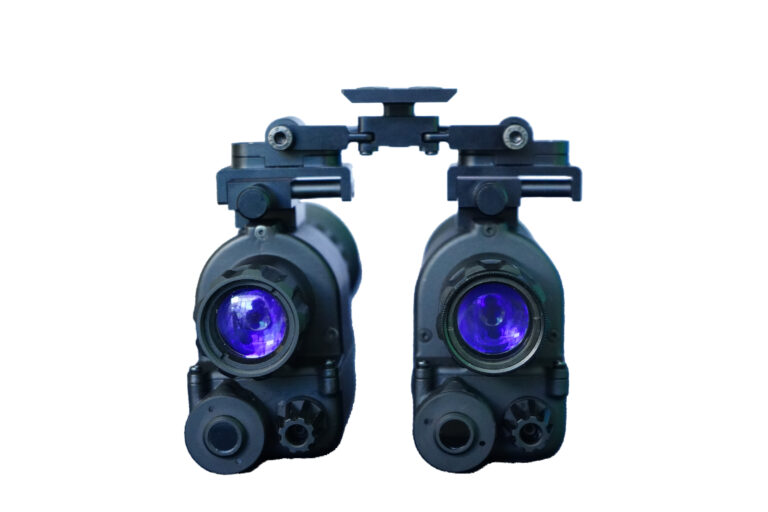
A binocular configuration usually uses two monocular devices connected by a bridge system. This can provide a more natural viewing experience, but it also increases total front-mounted weight.
Buyers should check:
- Weight of each device
- Bridge weight
- Rail or adapter weight
- Total setup weight
- Balance on the helmet
- Adjustment flexibility
- Long-term wearing comfort
A binocular setup can be valuable, but only if the full system remains practical and comfortable.
For dealers and distributors, clear weight information can help customers understand the difference between monocular and binocular configurations.
Lightweight Does Not Mean Weak
Some buyers may worry that a lightweight device means weaker construction.
This is not always true.
A good digital night vision product should balance weight, durability, housing material, and structural design.
Buyers should check whether the product feels solid, whether the housing is reliable, and whether the mounting points are stable.
The goal is not to make the device as light as possible at the expense of strength. The goal is to create a practical balance between weight, durability, and usability.
Weight Should Be Compared as a Complete Kit
When comparing digital night vision products, buyers should not only ask for the device body weight.
They should also check complete setup weight.
For example:
- Device body only
- Device with rail
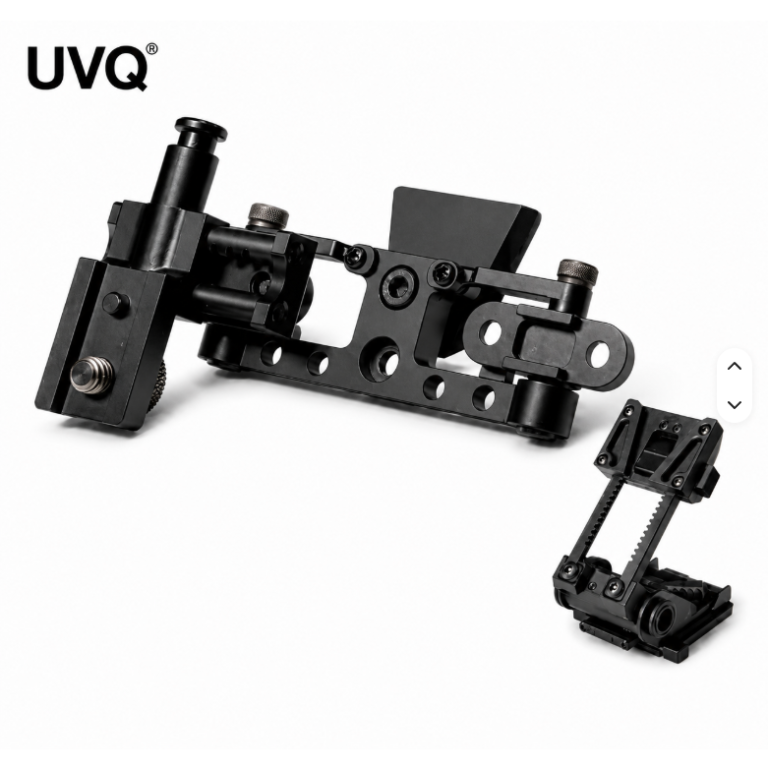
- Device with flip-up mount
- Full helmet-mounted configuration
- Binocular setup with bridge and accessories
This helps buyers understand real use weight, not only the weight of the main device.
For B2B buyers, this information is useful for product pages, catalogs, customer presentations, and dealer training materials.
UVQ G14 Lightweight Helmet-Mounted Configuration
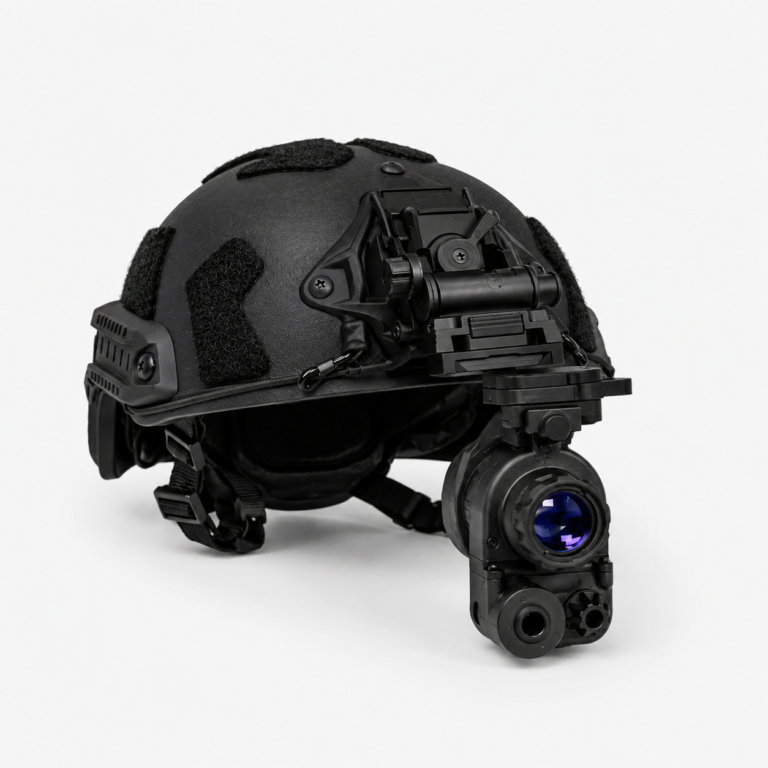
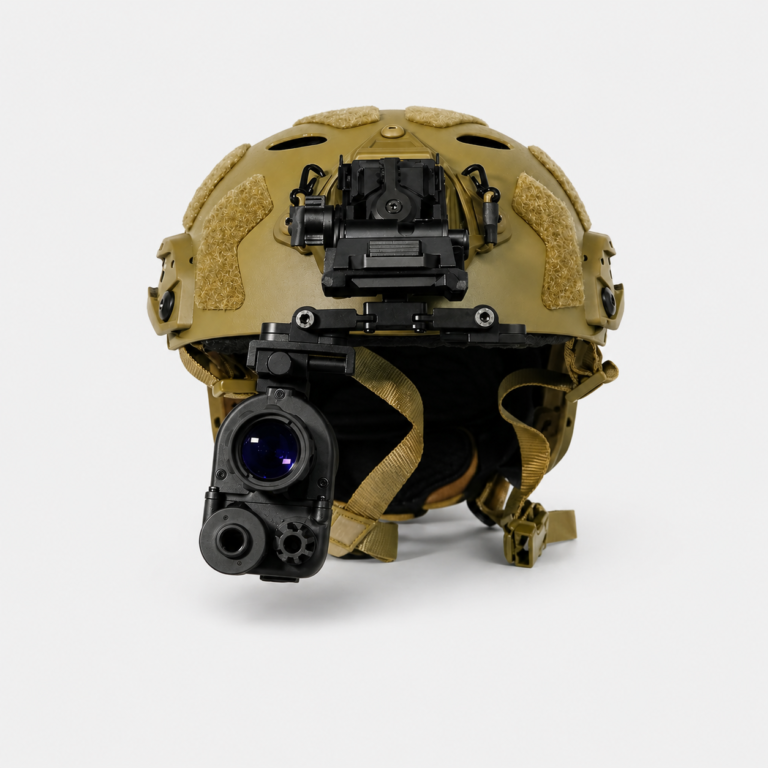
The UVQ G14 digital night vision monocular is designed with lightweight helmet-mounted use in mind.
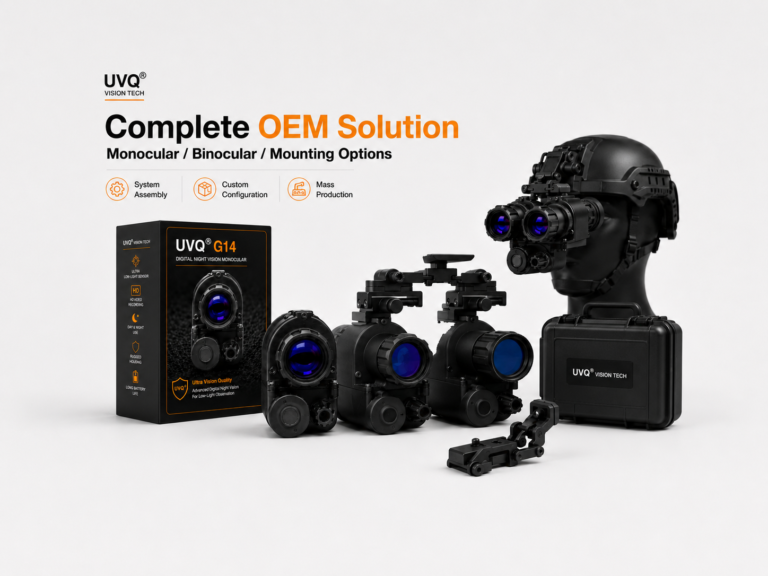
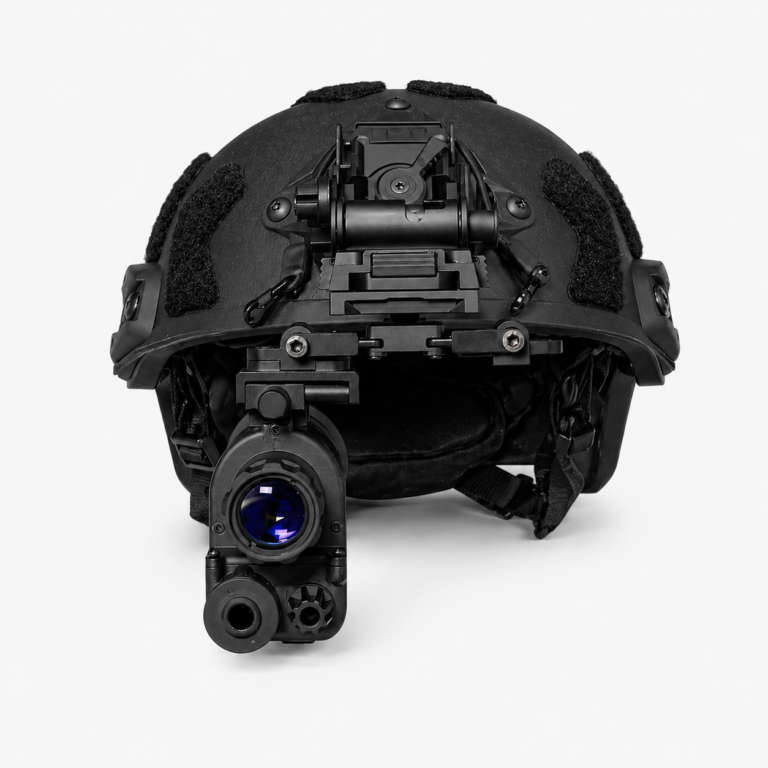
The main unit weighs 246 g without the battery and approximately 295 g with the battery installed. With rail and flip-up mount, the complete monocular setup is about 515g. A binocular setup with rail configuration is about 769g.
This lightweight structure helps support different configurations, including:
- Handheld monocular use
- Rail-mounted setup
- Flip-up mount configuration
- Helmet-mounted use
- Binocular bridge setup
For dealers, distributors, and OEM/ODM buyers, this flexibility makes the UVQ G14 easier to position for different customer needs.
What B2B Buyers Should Check
Before selecting a helmet-mounted digital night vision product, B2B buyers should check:
- Device body weight
- Full kit weight
- Mounting accessory weight
- Helmet balance
- Bridge weight for binocular setups
- Housing strength
- Mounting stability
- User comfort
- Product demonstration experience
- Clear weight information for sales materials
These details help buyers avoid misunderstandings and improve customer confidence.
A lightweight digital night vision product can be easier to demonstrate, easier to wear, and easier to explain.
Final Thoughts
Lightweight design is an important part of helmet-mounted digital night vision.
A strong device should provide good image quality, stable performance, and practical usability. But if the setup is too heavy or poorly balanced, the user experience may suffer.
For buyers comparing digital night vision devices, weight should be evaluated together with sensor size, refresh rate, mounting accessories, IR support, video recording, and WiFi transmission.
A good helmet-mounted digital night vision setup should be clear, stable, comfortable, and practical for real use.
Every gram is carried on your head, so the mounting choice matters as much as the device. Compare the rail-mounted monocular against the helmet-mounted binocular setup, then check the measured figures in the UVQ G14 weight test. For the broader decision, see helmet mount vs handheld.
 English
  Chinese
 Spanish