When buyers compare digital night vision devices, specifications are usually the first thing they see.
Sensor size, refresh rate, IR support, video recording, WiFi transmission, and weight are all important. However, specifications alone cannot fully show how a device performs in real low-light environments.
This is why real test footage matters.
For B2B buyers, dealers, distributors, and OEM/ODM partners, real test footage can help evaluate product performance, build customer trust, and support better purchasing decisions.
Specifications Are Only the Starting Point
Specifications help buyers understand the technical foundation of a digital night vision device.
A product may list:
- Sensor size
- Lens aperture
- Refresh rate
- Display resolution
- IR illuminator
- Recording capability
- WiFi transmission
- Waterproof rating
- Device weight
- Mounting compatibility
These details are useful, but they do not tell the full story.
Two products with similar specifications may perform differently in real environments because of differences in sensor quality, image processing, lens design, firmware tuning, and overall system integration.
Real test footage helps buyers see the actual result.
Why Real Test Footage Builds Trust
Digital night vision is a visual product.
Customers want to know what the device can actually see, not only what the product page says.
Real test footage can show:
- Image brightness
- Image clarity
- Noise level
- Movement smoothness
- IR-assisted performance
- Viewing distance
- Recording quality
- Low-light usability
For buyers who cannot test the device in person, real video footage becomes one of the most important reference materials.
It helps reduce uncertainty and makes the product easier to understand.
Low-Light Environments Are Not All the Same
Low-light performance can vary greatly depending on the environment.
A digital night vision device may perform differently in:
- City night scenes
- Outdoor open areas
- Tree-covered environments
- Indoor dark rooms
- Areas with weak background light
- IR-assisted scenes
- Moving observation scenarios
Because real environments are different, one studio image is not enough.
Buyers should review footage from different conditions to better understand the device’s practical performance.
For B2B buyers, this is especially important because downstream customers may use the product in different environments.
Real Footage Shows Image Clarity
A bright image is not always a good image.
Some devices may create a bright picture but lose important details. Others may show strong noise, blur, or unstable image output.
Real test footage helps buyers evaluate whether the device can show useful details, such as:
- Object outlines
- Ground texture
- Tree and building details
- Movement clarity
- Background structure
- Image contrast
For digital night vision, image clarity is just as important as brightness.
A strong device should provide useful visual information, not only a bright screen.
Real Footage Shows Noise Control
Noise is common in low-light imaging.
When the environment becomes darker, some digital systems increase gain to make the image brighter. If noise control is weak, the image can become grainy, unstable, or uncomfortable to view.
Real footage helps buyers see:
- How clean the image remains
- Whether noise increases heavily in darker scenes
- Whether details are still visible
- Whether the image remains stable during movement
For product demonstration and dealer sales, clean footage is more convincing than unclear or overly processed images.
Real Footage Shows Movement Smoothness
Photos cannot show motion performance.
A product may look good in a still image but perform poorly when the user moves, scans, or changes direction.
Real test footage can show:
- Image smoothness during scanning
- Motion blur
- Viewing stability
- Delay or lag
- Refresh rate performance
- Comfort during movement
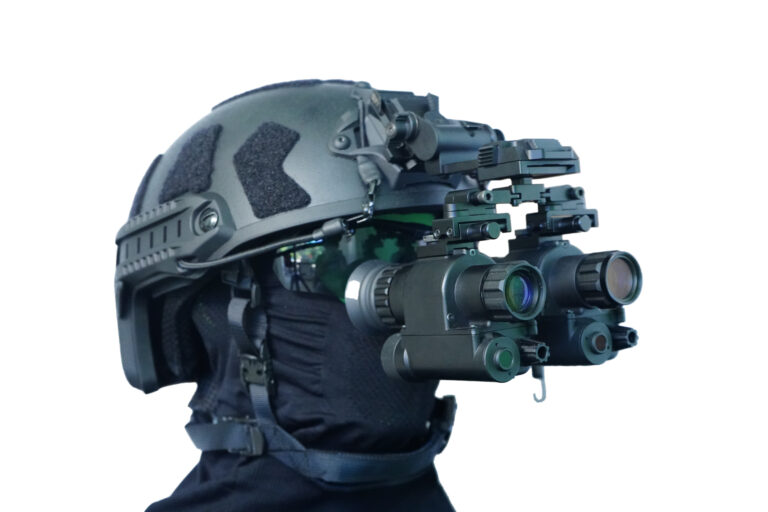
This is especially important for handheld use, helmet-mounted use, and product demonstration videos.
A higher refresh rate can help improve the viewing experience during movement, but real footage is still needed to show how the system actually performs.
Real Footage Helps Compare IR On and IR Off
Many digital night vision devices support IR illumination.
IR can improve visibility in very dark environments, but buyers should understand the difference between natural low-light performance and IR-assisted performance.
Real test footage should ideally show:
- Image quality without IR
- Image quality with IR
- Difference in brightness
- Difference in detail visibility
- Viewing distance
- Image balance
- Ease of IR control
This helps buyers understand when IR is needed and how the device performs under different lighting conditions.
Clear IR demonstration footage can also help reduce customer misunderstanding.
Recording Function Makes Testing Easier
Digital night vision devices with video recording make real-world testing easier.
Buyers can record footage during sample testing and review it later.
This is useful for:
- Internal product evaluation
- Dealer training
- Customer demonstration
- Marketing material preparation
- Product comparison
- Sales support
For B2B buyers, recorded test footage can help multiple team members review the product even if they were not present during the test.
This makes the buying process more efficient.
WiFi Transmission Supports Live Demonstration
Some digital night vision devices support real-time image transmission to a compatible mobile device.
This can make product demonstrations easier because more than one person can see the image output at the same time.
For dealers and distributors, live viewing can help during:
- Sample testing
- Customer meetings
- Showroom demonstrations
- Product training
- Field evaluation
WiFi transmission does not replace real low-light performance, but it can make the test process easier to share and explain.
Why B2B Buyers Should Request Real Test Materials
Before placing a B2B order, buyers should ask for more than product photos.
Useful test materials may include:
- Real low-light videos
- IR on/off comparison footage
- Handheld testing footage
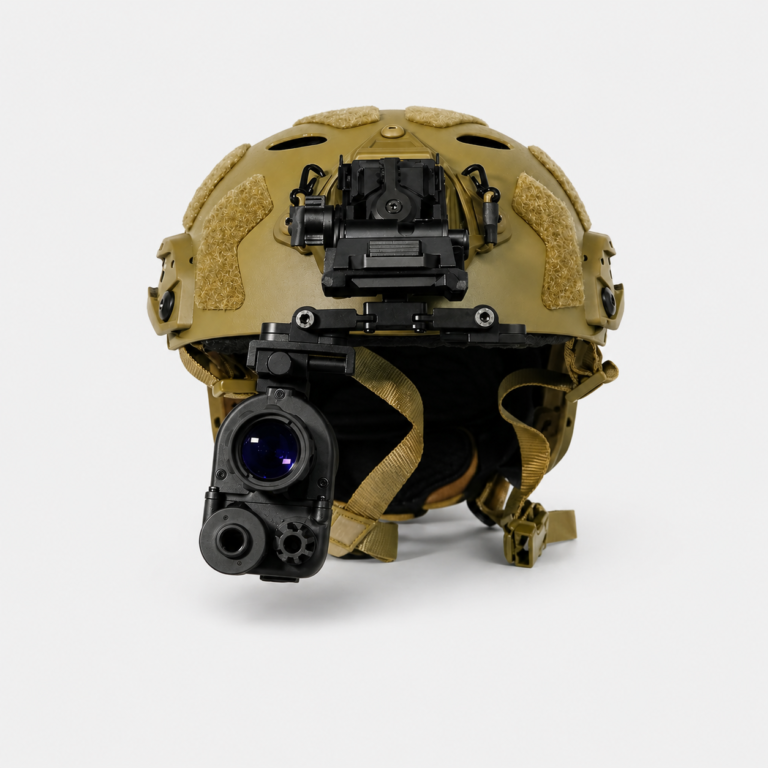
- Helmet-mounted testing footage
- Recording samples
- Product operation videos
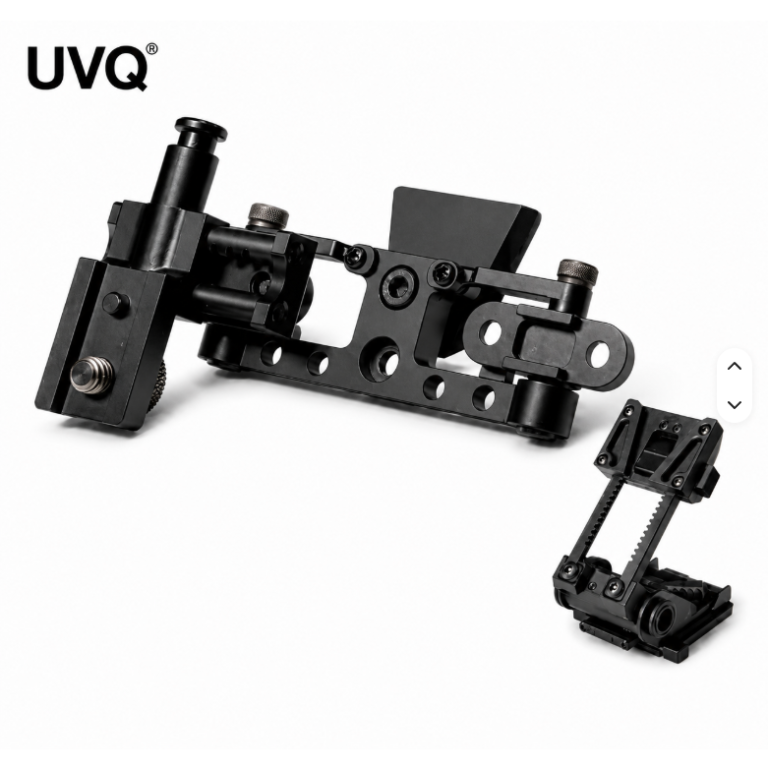
- Accessory setup videos
- Image transmission demonstrations
These materials help buyers evaluate not only the product itself, but also how easy it is to explain and sell.
For dealers and OEM/ODM buyers, real test footage can also become part of the sales support system.
Avoid Relying Only on Rendered Images
Rendered images can be useful for showing product design, packaging concepts, or marketing style.
However, they cannot replace real product testing.
When evaluating digital night vision, buyers should be careful if a supplier only provides rendered images and no actual image output.
A reliable supplier should be able to provide real product photos, real footage, clear specifications, and practical explanations.
For night vision products, trust is built through real performance evidence.
UVQ G14 Real-World Demonstration Value
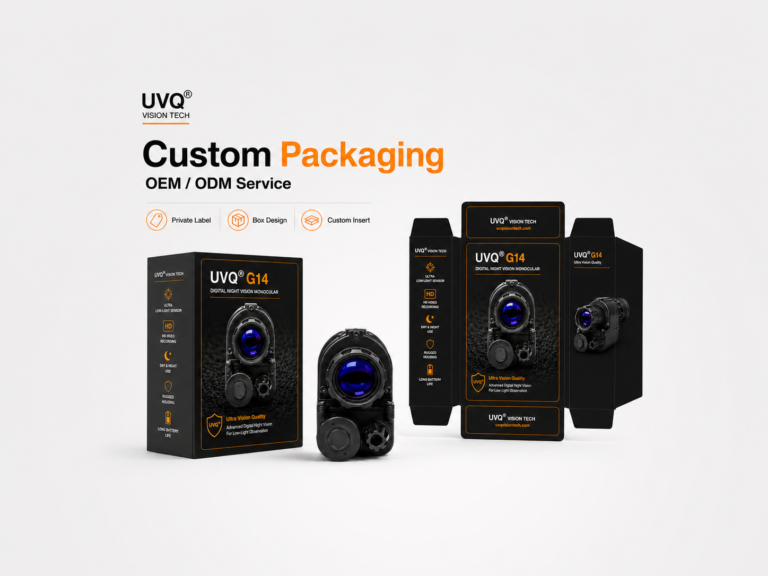
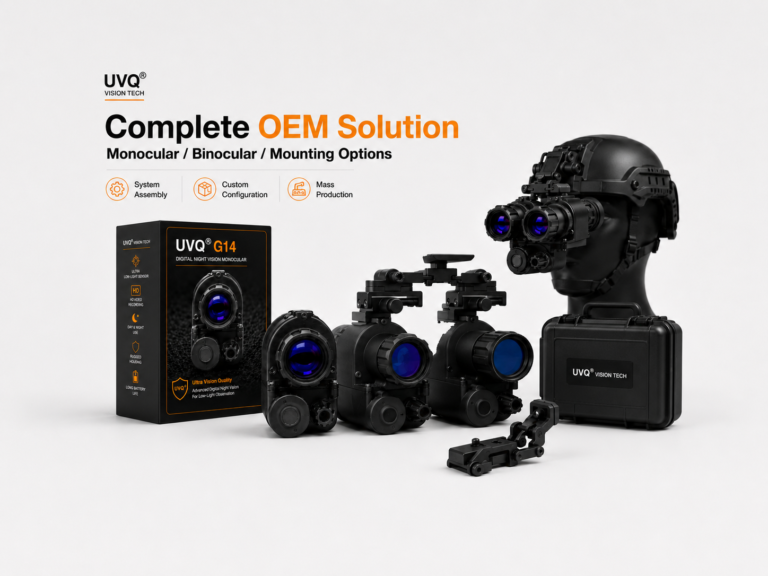
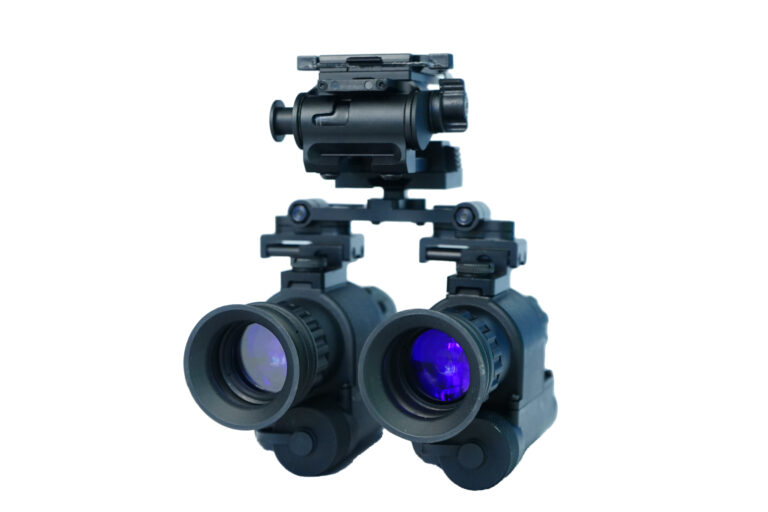
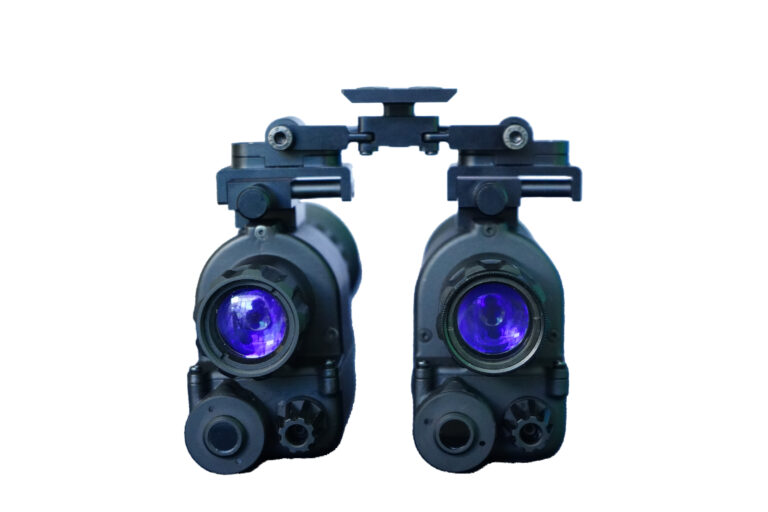
The UVQ G14 digital night vision monocular is designed for low-light observation and B2B product applications.
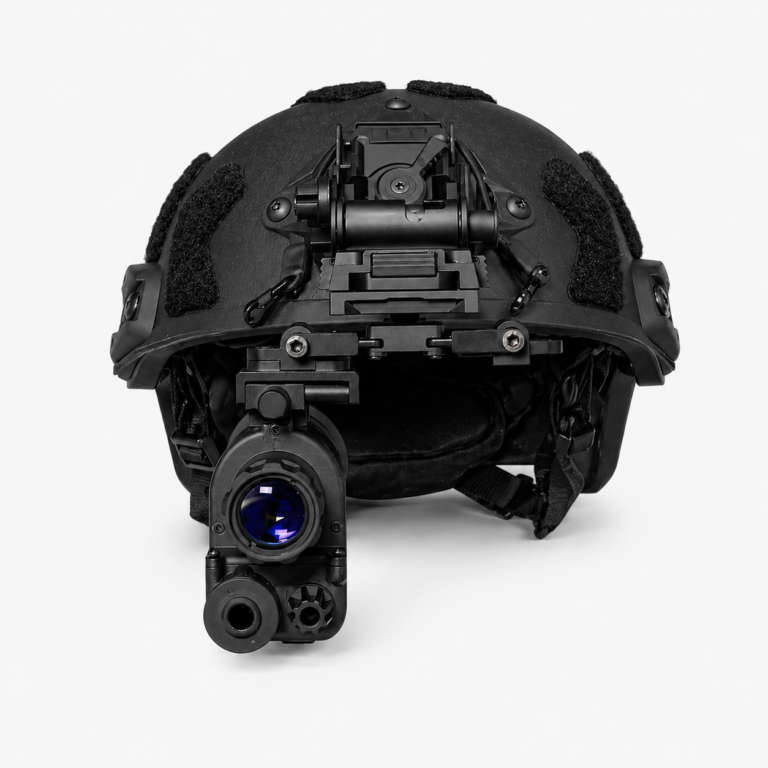
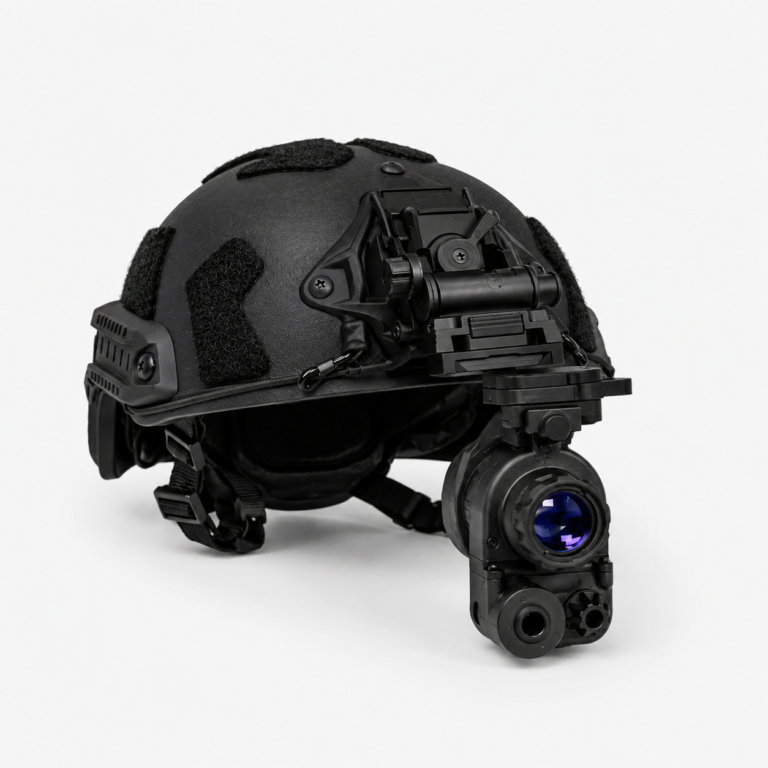
It supports a 1-inch BSI CMOS sensor, 50/100Hz imaging, Android WiFi real-time transmission, video recording, manual IR illumination, lightweight body, and helmet-mounted configuration options.
For dealers, distributors, and OEM/ODM buyers, real test footage can help demonstrate the UVQ G14’s image performance, recording capability, mounting flexibility, and usability in practical low-light environments.
Real footage makes the product easier to explain, easier to compare, and easier to present to customers.
Final Thoughts
Real test footage is an important part of digital night vision evaluation.
Specifications are useful, but real video shows how a device actually performs in low-light environments.
For B2B buyers, dealers, and OEM/ODM partners, real footage helps evaluate image quality, noise control, movement smoothness, IR performance, recording quality, and customer demonstration value.
A strong digital night vision supplier should provide not only product specifications, but also real-world evidence that supports buyer confidence. digital video
Footage is most useful when it is reproducible. The UVQ G14 urban low-light test and the low-light evaluation guide describe how to set that up, and recording and image capture covers what the device itself can document. The unit in these tests is the UVQ G14 digital night vision monocular.

 English
  Chinese
 Spanish