Digital night vision is widely used for outdoor observation because it helps users see more clearly when natural light is limited.
For buyers comparing different night vision products, outdoor use is one of the most important application scenarios. A device may look good in product photos, but real outdoor performance depends on image quality, sensor capability, IR support, recording function, wireless transmission, waterproof design, weight, and mounting compatibility.
This guide explains what buyers should know when choosing a digital night vision device for outdoor observation.
Why Outdoor Observation Is Different
Outdoor environments are more complex than indoor test conditions.
Users may face different lighting conditions, open spaces, trees, buildings, wet ground, moving objects, and changing weather. This makes outdoor observation a practical test for any digital night vision device.
A strong outdoor digital night vision product should provide useful image output, stable operation, and practical handling in real-world environments.
Low-Light Imaging Performance Comes First
The most important function of digital night vision is low-light imaging.
Outdoor observation often depends on limited natural light, such as moonlight, city light, or background environmental light. A device with better low-light performance can provide clearer images and more useful details.
When evaluating low-light imaging, buyers should check:
- Image brightness
- Detail visibility
- Noise control
- Image stability
- Object outlines
- Ground and background details
- Performance with and without IR support
A bright image is not enough. The image should also remain clear, stable, and useful for real observation.
Sensor Size Matters for Outdoor Use
Sensor size is an important factor in digital night vision performance.
A larger sensor can help collect more light, which may improve image brightness, detail, and low-light usability. For outdoor observation, this can be especially useful when the environment has only weak background light.
Buyers should not evaluate sensor size alone. Lens quality, image processing, refresh rate, display quality, and firmware tuning also affect final image performance.
However, sensor capability remains one of the key foundations of outdoor digital night vision.
IR Support Helps in Very Dark Environments
Digital night vision devices often use IR illumination to improve visibility when natural light is extremely limited.
Outdoor users may not always have enough ambient light. In these situations, IR support can help the device produce a more visible image.
When checking IR performance, buyers should compare:
- Image quality without IR
- Image quality with IR
- Detail improvement
- Viewing distance
- Power consumption impact
- Ease of IR control
Manual IR control can be useful because users can adjust illumination according to the environment.
Smooth Imaging Improves Viewing Comfort
Outdoor observation is not always static.
Users may scan an area, move the device, walk slowly, or shift viewing direction. In these situations, smooth imaging becomes important.
A higher refresh rate can help improve viewing comfort and reduce the feeling of image delay or motion discomfort.
Buyers should evaluate smoothness during real movement, not only by looking at still images.
For outdoor observation, 1x magnification can provide a more natural viewing experience.
Strong magnification may help with distant objects, but it can reduce situational awareness and make close-range observation less comfortable.
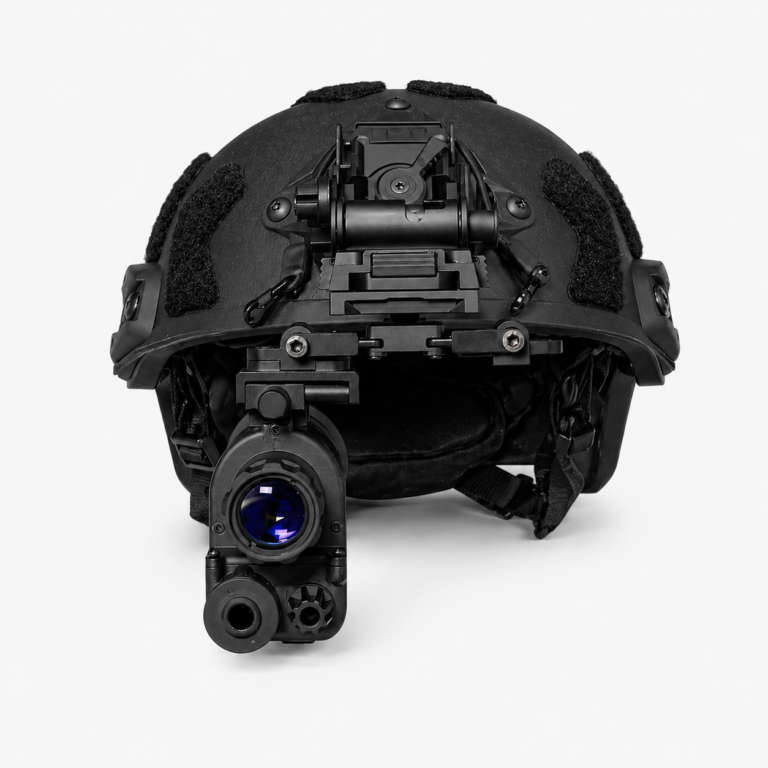
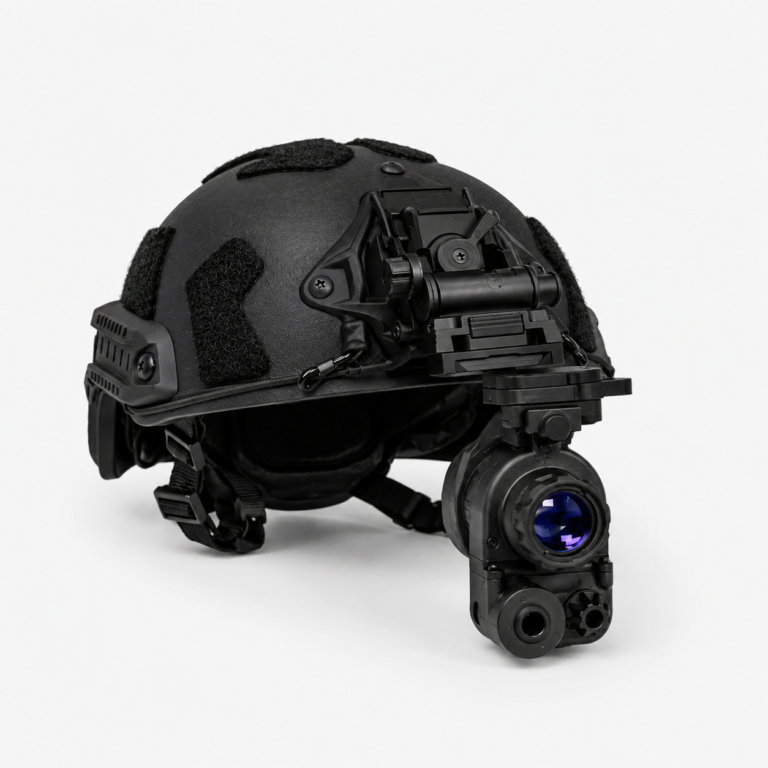
A 1x digital night vision monocular gives users a more natural viewing scale, which can be useful for scanning, moving, and helmet-mounted configurations.
Digital zoom can still be useful when closer inspection is needed, but 1x base magnification provides a practical starting point for general outdoor use.
Video Recording Is Useful for Review and Demonstration
Video recording is one of the advantages of digital night vision.
For outdoor observation, recorded footage can help users review what they saw and compare performance under different lighting conditions.
For B2B buyers, dealers, and distributors, recording function is also useful for:
- Product testing
- Dealer training
- Customer demonstration
- Marketing content preparation
- Internal product comparison
Real recorded footage is often more convincing than only reading specifications.
WiFi Transmission Helps With Live Demonstration
Some digital night vision devices support real-time image transmission to mobile devices.
This can be useful during outdoor testing because more than one person can view the image output at the same time.
For dealers and B2B buyers, WiFi transmission can support product demonstrations, sample evaluation, and customer presentations.
Buyers should check connection stability, image delay, mobile compatibility, and ease of setup.
Outdoor observation may involve moisture, light rain, dust, wet ground, or changing weather conditions.
For this reason, waterproof design is important for digital night vision devices used outside.
Buyers should check:
- IP rating
- Housing material
- Port protection
- Button sealing
- Lens area protection
- Build consistency
A device designed for outdoor use should combine image performance with physical reliability.
Weight Affects Outdoor Usability
Weight is another important factor for outdoor observation.
A lightweight device is easier to carry, easier to demonstrate, and more comfortable for longer use.
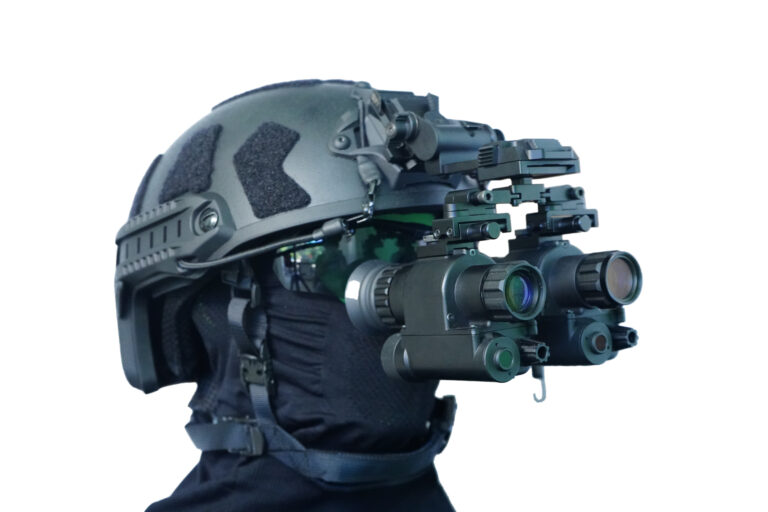
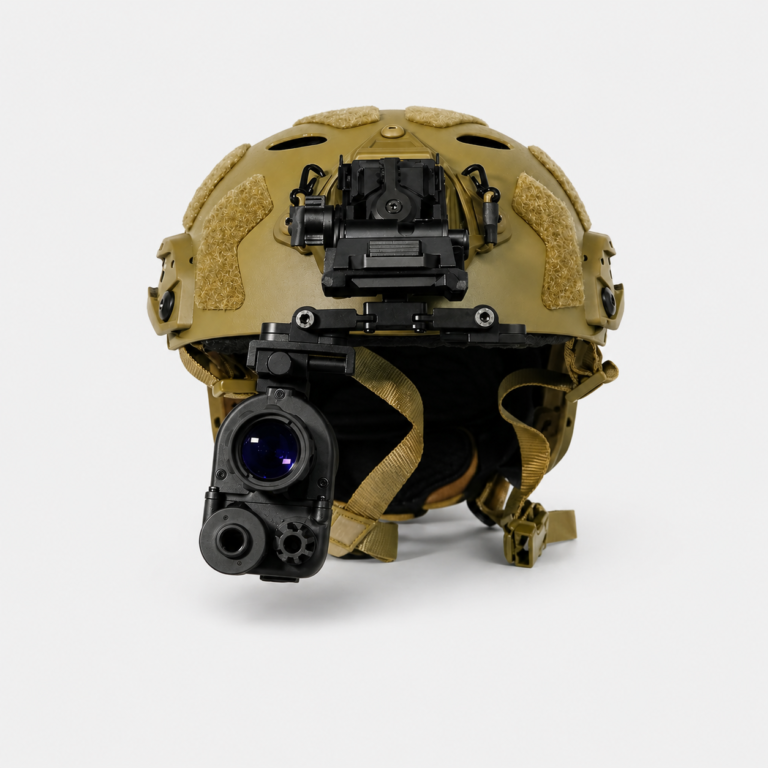
Weight becomes even more important when the device is used in a helmet-mounted configuration. Front-mounted weight can affect neck comfort, balance, and long-term usability.
Buyers should compare not only body weight, but also complete kit weight with rails, mounts, and other accessories.
Mounting Options Create More Flexibility
Outdoor users may prefer different configurations depending on the application.
A digital night vision monocular may be used as:
- A handheld observation device
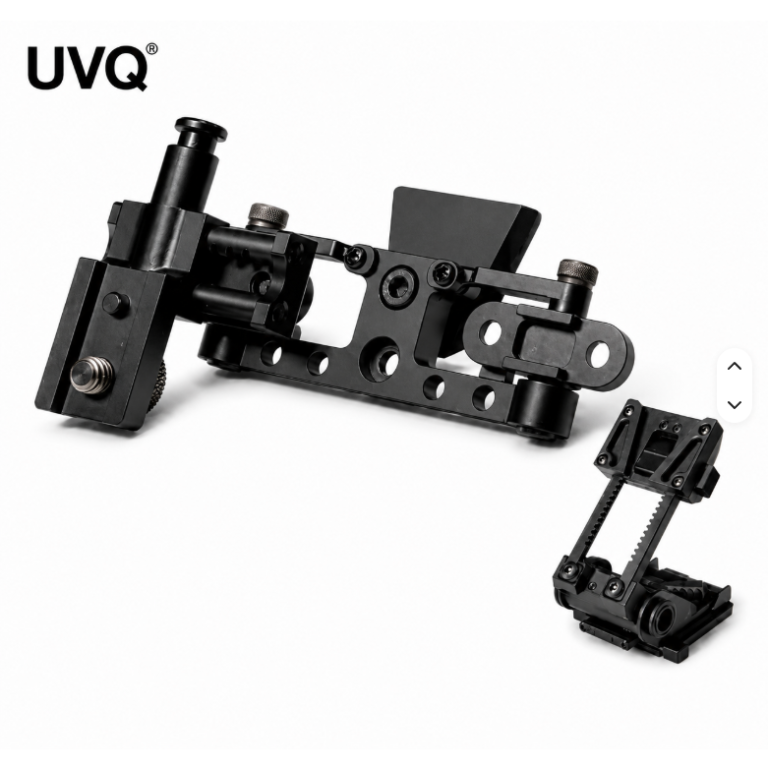
- A rail-mounted device
- A helmet-mounted setup
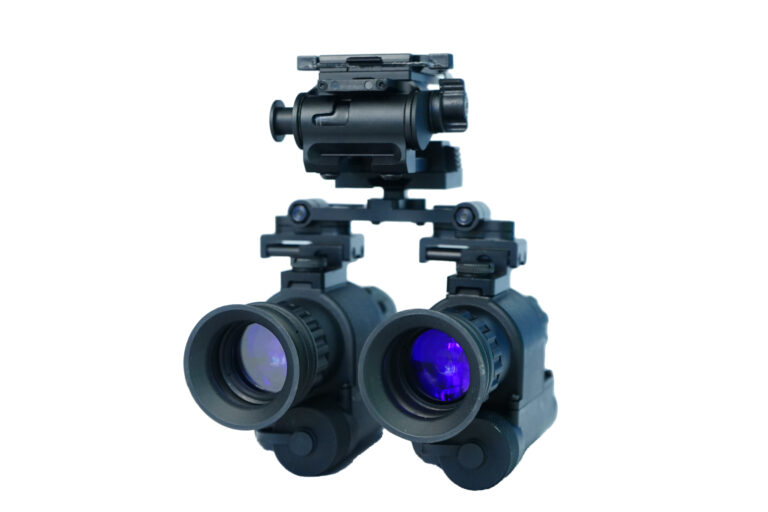
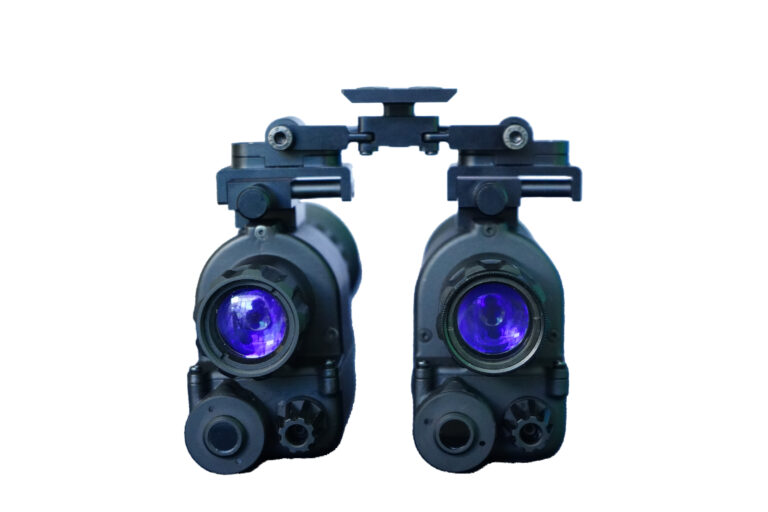
- A binocular bridge configuration
- A dealer demonstration kit
For B2B buyers, flexible mounting options can make one product platform suitable for multiple customer groups.
Real Test Footage Is Important
Outdoor digital night vision should be evaluated with real test footage.
Product photos and specifications are useful, but they cannot fully show real outdoor image performance.
Buyers should request or review footage showing:
- Real outdoor low-light scenes
- IR on and IR off comparison
- Movement and scanning
- Recording samples
- Helmet-mounted or handheld operation
- Different lighting environments
Real footage helps buyers understand what the device can actually do in practical use.
What B2B Buyers Should Check
For dealers, distributors, and OEM/ODM buyers, outdoor observation performance affects product positioning and customer trust.
Before ordering, buyers should check:
- Low-light imaging performance
- Sensor size and image processing
- IR support
- Refresh rate
- 1x viewing comfort
- Video recording
- WiFi transmission
- Waterproof design
- Weight and mounting options
- Real test footage
- Accessory configuration
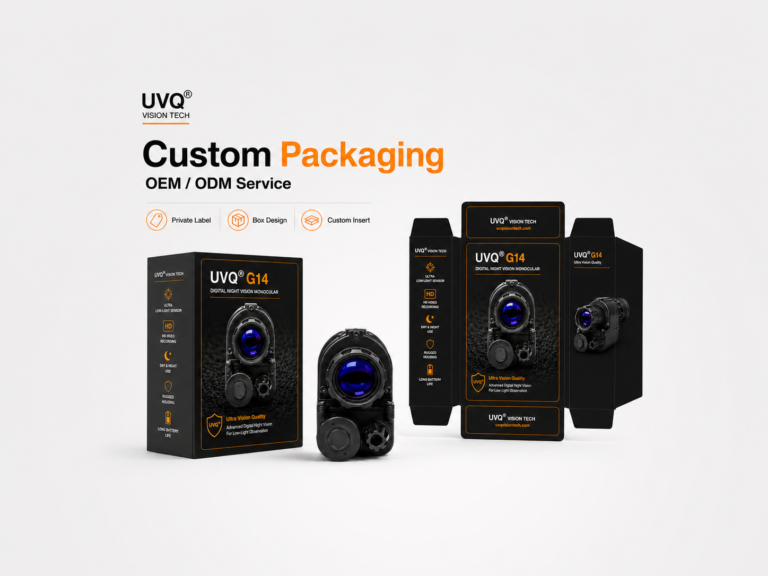
- Packaging and documentation support
A strong product should be easy to test, easy to explain, and suitable for real customer use.
UVQ G14 for Outdoor Digital Night Vision Observation
The UVQ G14 digital night vision monocular is designed for practical low-light observation and outdoor product applications.
It supports a 1-inch BSI CMOS sensor, 50/100Hz imaging, 1x base magnification, Android WiFi real-time transmission, video recording, manual IR illumination, IP67 waterproof protection, lightweight body design, and helmet-mounted configuration options.
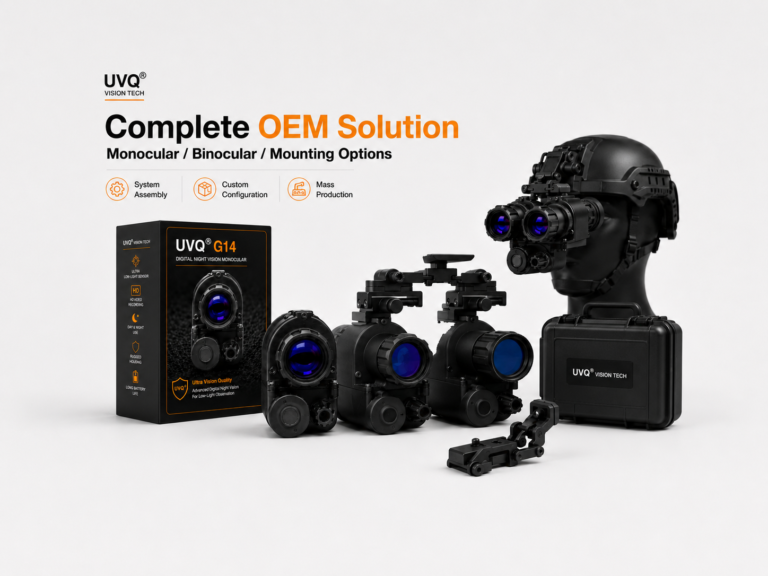
For dealers, distributors, and OEM/ODM buyers, the UVQ G14 can support handheld use, helmet-mounted use, rail-mounted setup, binocular bridge configuration, product demonstration, and sample testing.
This makes it a flexible digital night vision platform for buyers who need outdoor usability, real test value, and B2B product configuration options.
Final Thoughts
Digital night vision for outdoor observation should be evaluated as a complete system.
Image quality matters, but buyers should also check sensor capability, IR support, refresh rate, 1x viewing comfort, recording function, WiFi transmission, waterproof design, weight, mounting options, and real test footage.
For B2B buyers, a strong outdoor digital night vision product should be reliable, practical, easy to demonstrate, and suitable for different customer needs.
Choosing the right device means looking beyond specifications and evaluating how the product performs in real outdoor conditions.
Field use puts different demands on a device than indoor use. The UVQ G14 outdoor observation kit is configured for that, while the base monocular covers handheld work; waterproof design and low-light evaluation cover the two specifications that decide it. For evidence from real conditions, see real test footage.

 English
  Chinese
 Spanish