
Product specifications can explain sensor size, refresh rate, lens aperture, recording functions, and mounting options. However, specifications alone cannot fully answer the question that many buyers actually care about:
What does the UVQ G14 really show outdoors at night?
To provide a more practical answer, we collected five real through-the-device images from different urban night scenes.
The test scenes include:
- a distant wall and signs;
- a waterfront with artificial lights and reflections;
- a building with architectural details;
- the night sky;
- a monument surrounded by trees, illuminated windows, and darker foreground areas.
These images were photographed through the display of the UVQ G14 digital night vision monocular. They are not computer renderings or artificially generated night scenes.
Because a phone or camera was used to photograph the G14 display, the published images may show slight differences in color, exposure, sharpness, screen texture, or framing compared with direct viewing through the device.
The purpose of this test is not to claim that one image represents every nighttime environment. It is to show how the UVQ G14 presents real urban scenes when distance, artificial lighting, reflections, and scene contrast change.
Why Real Digital Night Vision Images Matter
When buyers compare digital night vision products, they often see long specification lists and highly processed promotional images.
Sensor size, pixel size, lens aperture, and refresh rate are important, but buyers also need to understand how the product performs in real environments.
A genuine outdoor test can help answer practical questions:
- Can large structures still be seen in low-light conditions?
- Can the device separate buildings, trees, water, and the sky?
- What happens when bright windows and darker objects appear in the same scene?
- Can architectural outlines and larger details still be recognized?
- How does the image change between different urban environments?
For UVQ, real-world testing is an important part of product communication. We prefer to show actual observation results while also explaining the limitations of each image.
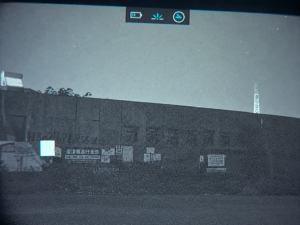
1. Distant Structures in an Urban Low-Light Environment
Insert Image 1 here
The first scene contains a large wall, several signs, a bright rectangular light source, and a tower in the distance.
The image shows that the main outline of the wall remains visible across most of the frame. Larger signs and structural boundaries can also be separated from the surrounding scene.
The tower on the right side of the image remains detectable against the sky. This helps demonstrate how the UVQ G14 presents large distant structures in an urban low-light environment.
At the same time, the image also shows an important reality of night observation: a bright object can appear much stronger than the darker surface around it.
The illuminated rectangular sign on the left is significantly brighter than the wall. Fine information near bright sources may therefore be less clear than larger objects and outlines.
This is why buyers should distinguish between three different observation tasks:
- Detection: noticing that an object is present;
- Recognition: understanding the general type of object;
- Identification: confirming specific details.
A device may detect a distant object before it can provide enough information to read small text or identify fine details.
We should not use one photograph to claim a fixed identification distance. Actual results depend on the size of the subject, available ambient light, weather, focus, contrast, and other environmental conditions.
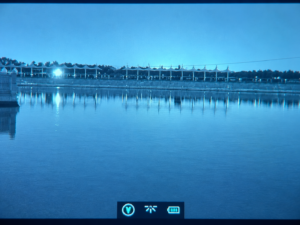
2. Water, Reflections, and Artificial Lighting
Insert Image 2 here
The second scene looks across a body of water toward the opposite shoreline.
This is a useful real-world test because the scene contains several different visual elements:
- dark water;
- reflected lights;
- canopy structures;
- trees;
- the opposite shoreline;
- bright artificial light sources.
Waterfront environments can be challenging for an imaging system. Reflections create bright vertical areas, while the water, sky, and shoreline may have relatively low contrast.
In this image, the opposite shoreline remains distinguishable from the water. The canopy structures and tree line are visible, while reflections from the lamps can be seen on the water surface.
The image does not make every part of the scene equally bright. That is normal.
Bright lamps naturally attract more attention than darker areas. The useful question is whether the viewer can still understand the overall layout of the environment.
In this case, the viewer can separate the sky, shoreline, structures, water, and reflected lights.
This type of scene provides more useful information than photographing only one bright object against a dark background.
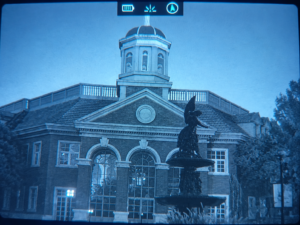
3. Architectural Details Viewed Through the UVQ G14
Insert Image 3 here
The third image focuses on a building façade and a foreground sculpture.
Several recognizable structural elements can be observed:
- the main roofline;
- windows;
- columns;
- the central tower;
- the shape of the foreground sculpture;
- the difference between the building and surrounding trees.
This scene helps demonstrate why useful night vision image quality is not simply about making everything brighter.
For practical observation, the device must preserve enough separation between edges, surfaces, and objects for the viewer to understand the scene.
A very bright image is not automatically a detailed image.
The building test allows buyers to examine recognizable shapes instead of judging performance only from general brightness. Architectural features provide a more practical reference because the viewer already understands what windows, roofs, and columns should look like.
The UVQ G14 uses a 1-inch BSI CMOS sensor, an F1.05 lens, 18 μm pixels, and a 100Hz refresh rate. These specifications form part of the product’s imaging system, but this real scene gives buyers a more direct reference for how the complete system presents actual objects.
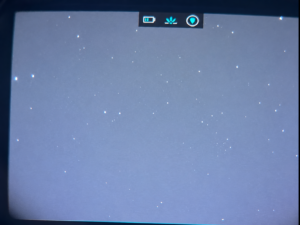
4. What Can the Night-Sky Image Tell Us?
Insert Image 4 here
The fourth image shows multiple bright points against a darker night-sky background.
It demonstrates that the UVQ G14 can display small bright objects in a scene with very limited structural detail.
However, this image must be described carefully.
A photograph of the device display may be influenced by:
- phone or camera exposure;
- focus;
- display brightness;
- screen texture;
- atmospheric conditions;
- image noise;
- interaction between the device display and the phone camera.
For that reason, we present this image as a real observation reference. We do not use it to claim a guaranteed number of visible stars, specific astronomical performance, or the ability to identify particular constellations.
This distinction is important.
Honest real-world testing should show what was observed without turning a single result into a universal product promise.
5. Mixed Lighting With Bright Windows and Dark Foreground Areas
Insert Image 5 here
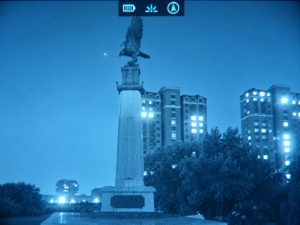
The fifth scene contains a monument, trees, residential buildings, bright windows, street lighting, and darker foreground surfaces.
This is a realistic urban observation environment because several lighting levels appear in the same field of view.
The illuminated windows are significantly brighter than the trees and monument. However, the main outline of the monument remains visible, and the viewer can still distinguish the buildings, tree line, and surrounding open space.
Mixed lighting is common during real urban use.
A user may encounter:
- streetlights;
- vehicle lights;
- illuminated windows;
- dark paths;
- trees;
- signs;
- reflective surfaces.
No night imaging system can make every bright and dark area look identical. The more useful question is whether the important structures and overall scene remain understandable.
This image provides a practical reference for how the UVQ G14 presents bright and dark objects in the same urban scene.
What Do These Five UVQ G14 Images Demonstrate?
Together, the five images show the UVQ G14 presenting several types of urban nighttime subjects:
- large distant structures;
- walls and sign areas;
- water and reflected lights;
- shoreline features;
- architectural details;
- trees and darker foreground objects;
- bright windows;
- small bright points against the night sky.
They also show that the image changes depending on the environment.
A waterfront scene does not look the same as a building façade. A mixed-lighting scene does not look the same as a dark sky. Distance, contrast, available light, reflections, and artificial lighting all influence the final image.
This is one reason UVQ does not want to evaluate digital night vision from only one carefully selected photograph.
A more useful product evaluation should include several different scenes.
What These Images Do Not Prove
These photographs are real references, but they should not be used to make claims that the test did not establish.
The images do not prove:
- a universal maximum observation distance;
- a guaranteed identification range;
- identical performance in every weather condition;
- identical results in a completely dark forest;
- performance without knowing the available ambient light;
- a direct advantage over every analog night vision system;
- a direct advantage over thermal imaging.
Digital night vision performance can change according to:
- available ambient light;
- distance to the subject;
- target size;
- lens focus;
- artificial lighting;
- weather and atmospheric clarity;
- scene contrast;
- whether infrared illumination is used;
- the display or recording method.
For this reason, these images should be treated as real scene references rather than laboratory measurements or universal guarantees.
Why the Published Images May Look Different From Direct Viewing
These images were photographed through the UVQ G14 display.
When a phone or camera photographs a device screen, an additional imaging system is placed between the night vision device and the final viewer.
The phone camera can affect:
- exposure;
- white balance;
- focus;
- color;
- visible screen texture;
- edge sharpness;
- perceived brightness.
The visible interface icons and screen borders help confirm that these are through-the-device images. However, they also mean the online photographs should not be treated as exact reproductions of the complete direct-viewing experience.
Depending on the phone, camera settings, display brightness, and shooting angle, the photographed result may appear slightly different from what the user sees directly through the UVQ G14.
This disclosure is important because UVQ wants customers to understand exactly what the images represent.
How Should Buyers Evaluate a Digital Night Vision Product?
Buyers should not make a purchasing decision from one specification or one promotional image.
A more reliable evaluation includes several types of evidence:
- Real through-the-device photographs;
- Recorded video from outdoor test scenes;
- A normal phone or naked-eye reference from the same location;
- Tests in different lighting environments;
- Product specifications;
- Motion testing;
- Sample evaluation before larger orders.
Still images are useful for examining structures and general scene presentation. However, video is also important because it can show motion, refresh behavior, scanning, and the stability of the viewing experience.
For B2B buyers, sample testing is especially valuable.
Distributors, retailers, brand owners, and project buyers may serve customers with different environments and expectations. Testing a sample allows the buyer to evaluate whether the product fits the intended market before discussing a larger order.
Why 100Hz Matters Beyond a Still Photograph
These five photographs show image detail, scene contrast, and the presentation of different environments. However, a still image cannot demonstrate the full value of a 100Hz refresh rate.
Refresh rate becomes more relevant when the user:
- moves the device;
- scans the environment;
- observes a moving subject;
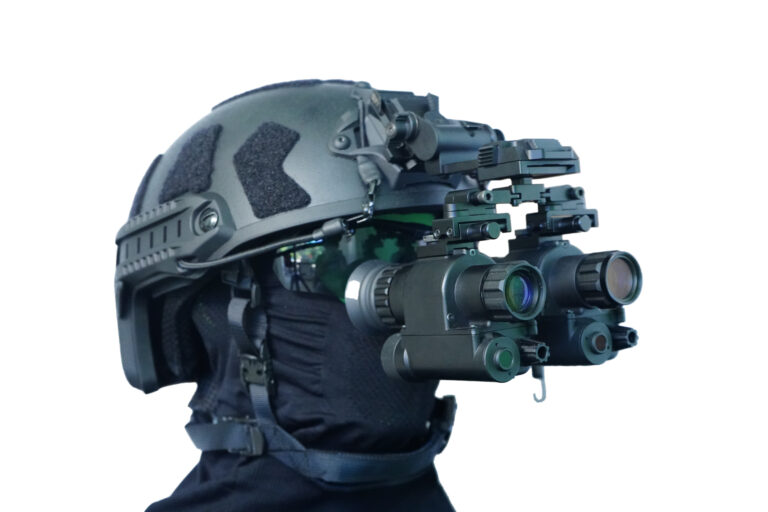
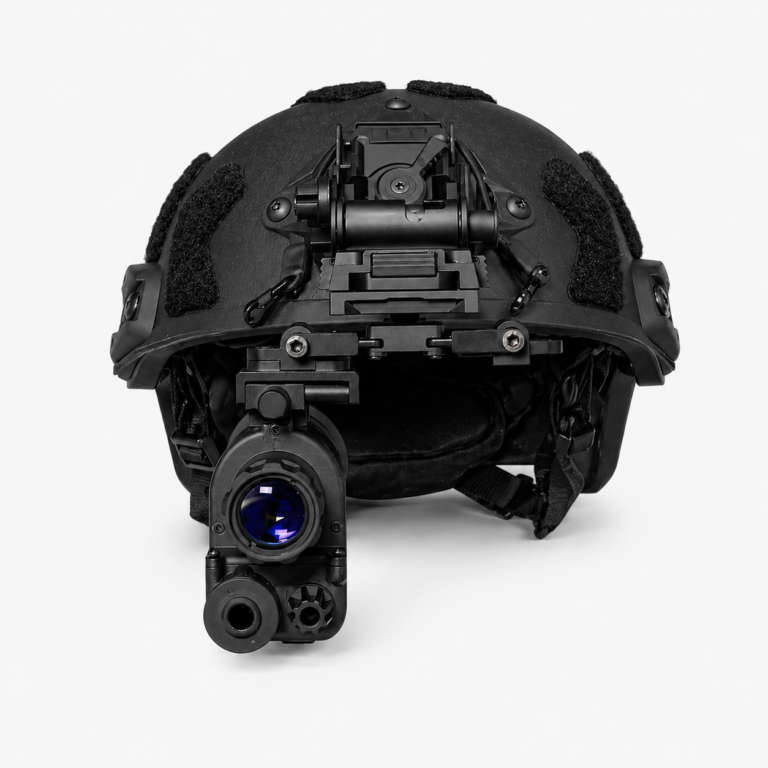
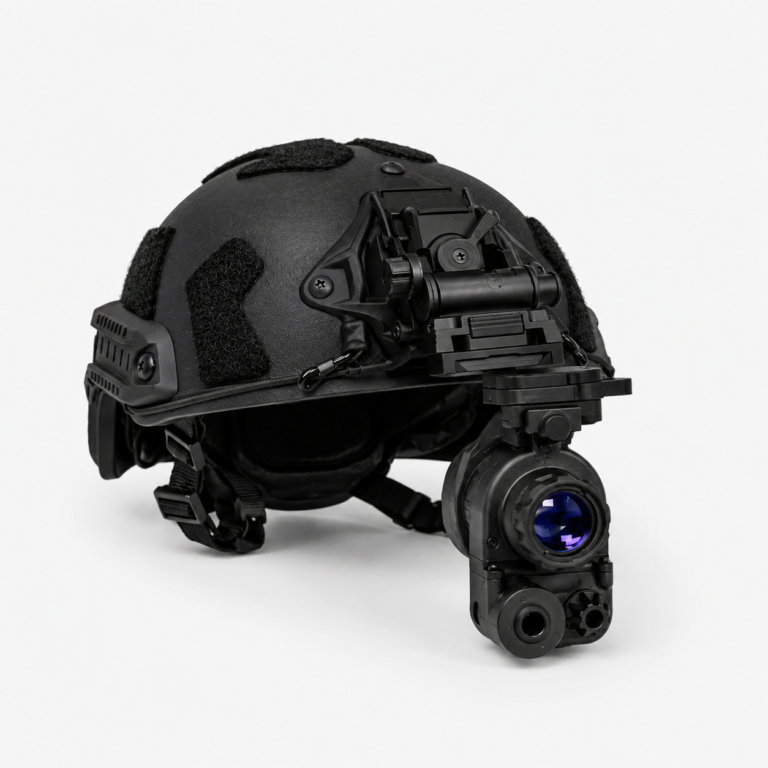
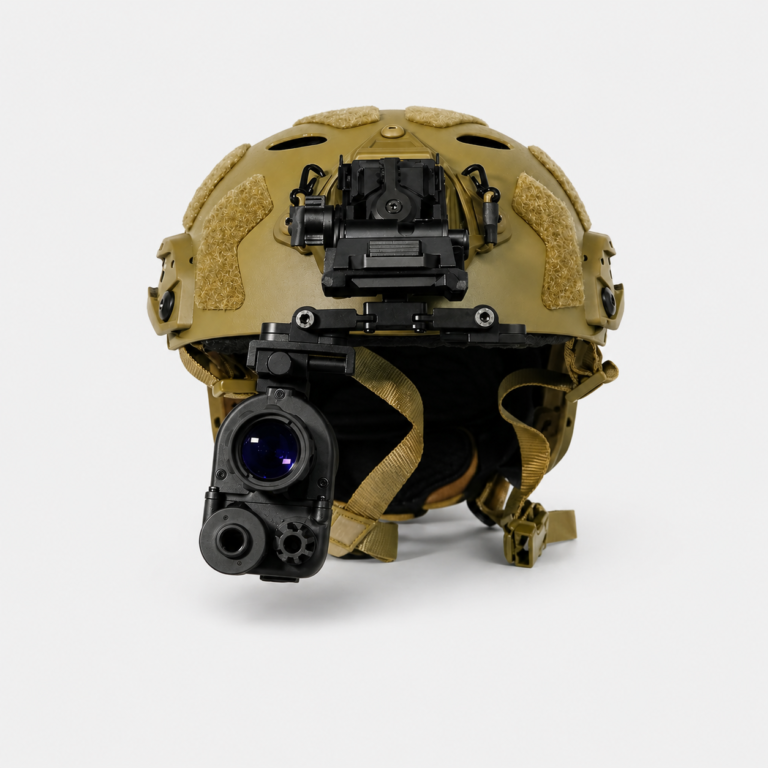
- uses the product in a helmet-mounted configuration;
- changes viewing direction quickly.
The UVQ G14’s 100Hz refresh rate is designed to provide smoother viewing during movement.
For this reason, photographs and video should be used together. Photographs help buyers examine individual scenes, while real test video provides a better reference for motion and viewing smoothness.
Why Real Testing Matters for Distributors and Professional Buyers
For dealers and professional buyers, real test materials serve a different purpose from standard advertising.
They help buyers understand:
- what type of scene was tested;
- what the device display actually showed;
- where bright sources affected the image;
- which details remained visible;
- what the test does not prove;
- whether additional sample evaluation is necessary.
A responsible supplier should not present only the strongest-looking frame and describe it as guaranteed performance in every environment.
The better approach is to provide several real scenes, explain the test method, and allow the buyer to make a more informed judgment.
UVQ supports sample evaluation and can provide additional real-world test materials for distributors, retailers, brand owners, and project buyers.
Final Thoughts
So, what does the UVQ G14 really show in urban low-light conditions?
These five real through-the-device images show the G14 presenting distant structures, water reflections, architectural details, mixed urban lighting, and the night sky.
The results are not identical in every scene. Bright lamps and windows appear stronger than nearby dark areas, while visibility and detail change with distance, contrast, and available light.
That is exactly why real-world testing matters.
A digital night vision product should not be judged only by specifications, rendered marketing images, or one carefully selected scene. Buyers should look at real photographs, real video, multiple environments, and the limitations of the test.
The UVQ G14 is designed as a professional digital night vision solution for low-light observation, helmet-mounted use, image recording, and flexible expansion.
It starts as a monocular, expands according to the user’s needs, and is designed for real use.
UVQ is still a young brand. We do not have decades of history to talk about. So we have chosen another way to earn trust: honest specifications, real-world testing, and direct communication with every customer.
For distributors, retailers, brand owners, and professional buyers, sample testing and additional real-world video materials are available on request.
Test conditions matter as much as the result. The evaluation guide describes how to set a fair comparison, and this note on test footage explains what to ask a supplier for. For field use, see outdoor observation; the unit tested is the UVQ G14 digital night vision monocular.
 English
  Chinese
  Spanish