For dealers and distributors, selling digital night vision is not only about offering a single device.
A strong digital night vision product package should include the right device, accessories, mounting options, packaging, test materials, and support information. A clear product package helps dealers explain the product, reduce customer confusion, and create different sales options for different buyer needs.
This guide explains what dealers should include when building a digital night vision product package.
Why Product Packages Matter for Dealers
Digital night vision products can be used in different configurations.
Some customers may want a simple handheld monocular. Others may need a helmet-mounted setup, a binocular configuration, or a full accessory bundle.
For dealers, this creates both an opportunity and a challenge.
If the package is too simple, customers may not understand the full value of the product. If the package is too complicated, customers may feel confused about what they actually need.
A well-designed digital night vision product package helps dealers present the product clearly and sell it more effectively.
Start With a Core Digital Night Vision Monocular
The core of the product package should be a reliable digital night vision monocular.
Before adding accessories, dealers should first confirm that the main device provides practical performance and clear positioning.
Important device features include:
- Low-light imaging performance
- Sensor size
- Refresh rate
- 1x base magnification
- IR support
- Video recording
- WiFi transmission
- Waterproof protection
- Weight
- Mounting compatibility
A strong product package starts with a strong main device. Accessories can improve usability, but they cannot fix a weak imaging platform.
Basic Monocular Package
A basic monocular package is usually the easiest package for dealers to introduce.
This package is suitable for customers who want a simple, portable, and flexible digital night vision device.
A basic package may include:
- Digital night vision monocular
- USB Type-C cable
- User manual
- Basic protective packaging
- Lens protection accessories
This type of package is useful for first-time buyers, sample testing, outdoor observation users, and customers who want a lightweight device without a complex accessory setup.
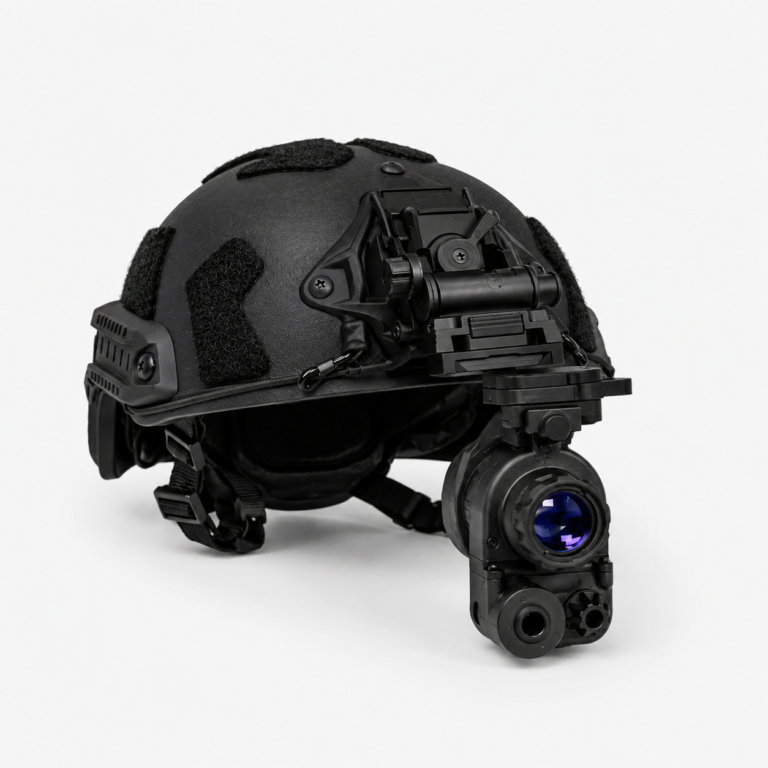
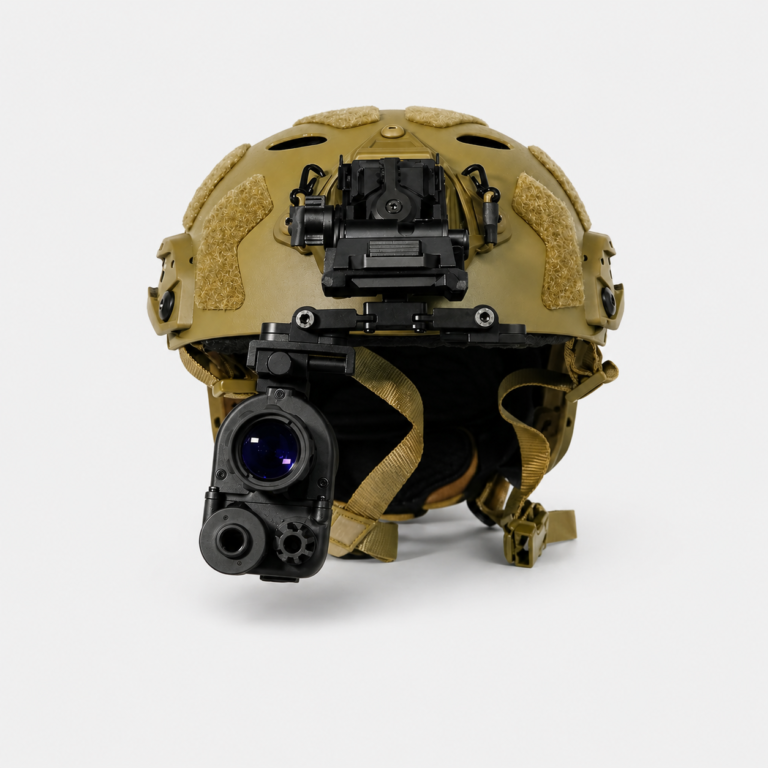
Helmet-Mounted Package
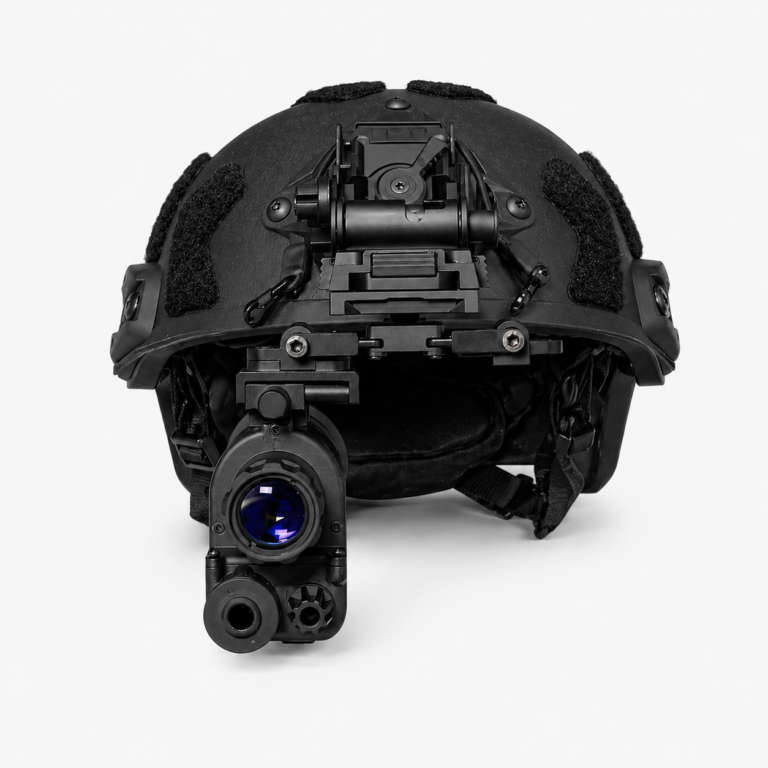
A helmet-mounted package gives dealers a more complete product option.
This package is suitable for customers who need hands-free observation and longer viewing sessions.
A helmet-mounted package may include:
- Digital night vision monocular
- Rail adapter
- Flip-up mount
- Helmet interface
- Mounting screws or adjustment parts
- User setup guide
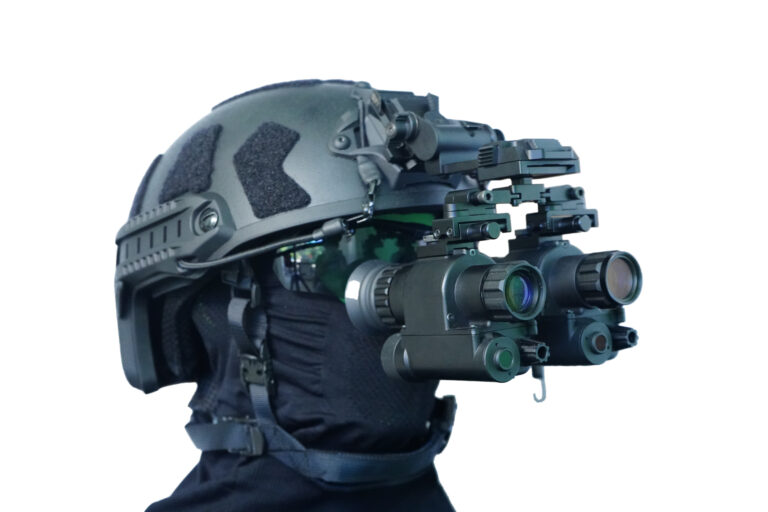
For dealers, this package is easier to demonstrate because customers can see how the device works as a complete setup instead of only as a handheld product.
Binocular Setup Package
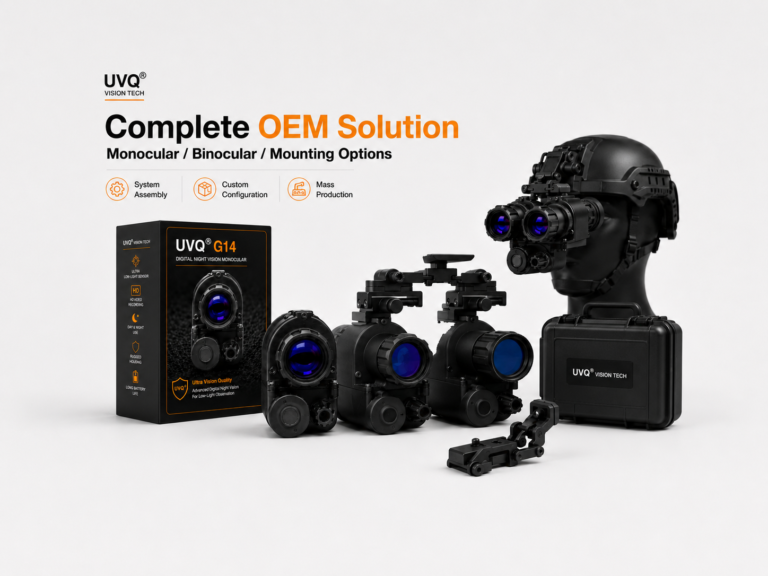
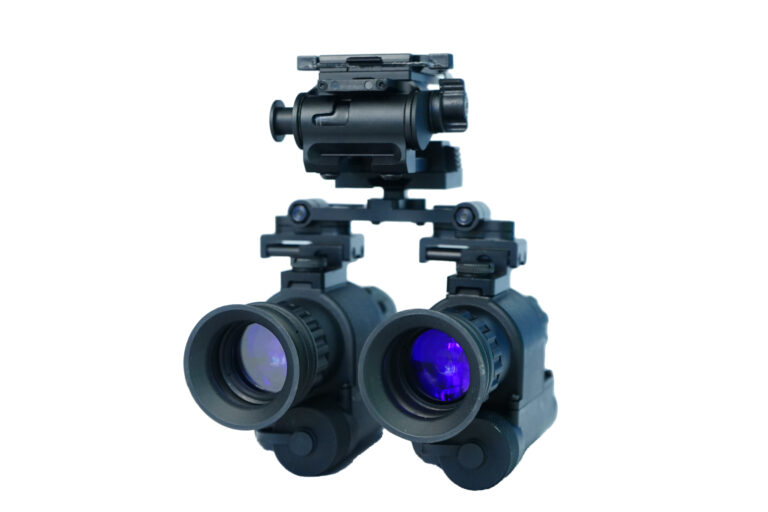
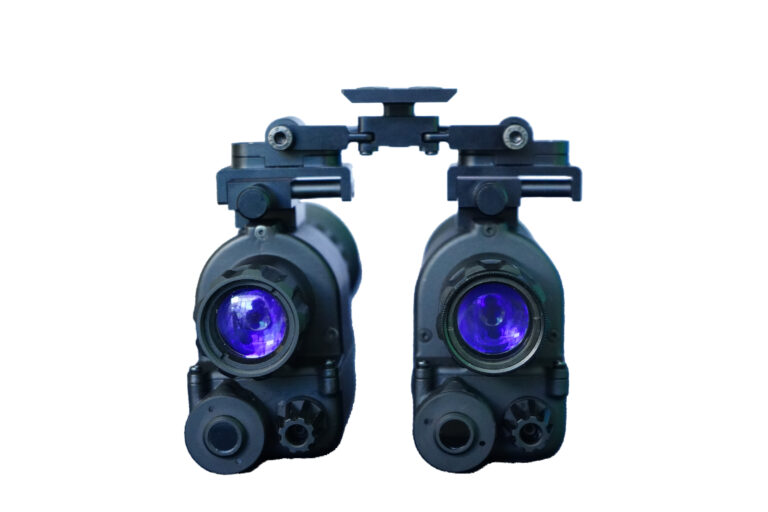
A binocular setup package uses two monocular devices with a bridge system.
This package can provide a more complete viewing configuration and stronger demonstration value.
A binocular package may include:
- Two digital night vision monoculars
- Binocular bridge system
- Rail adapters
- Helmet mounting accessories
- Adjustment parts
- Protective storage solution
Dealers should clearly explain that a binocular setup has higher total weight and requires more careful adjustment than a single monocular package.
This package is usually better for customers who understand the difference between a simple monocular device and a more advanced dual-device configuration.
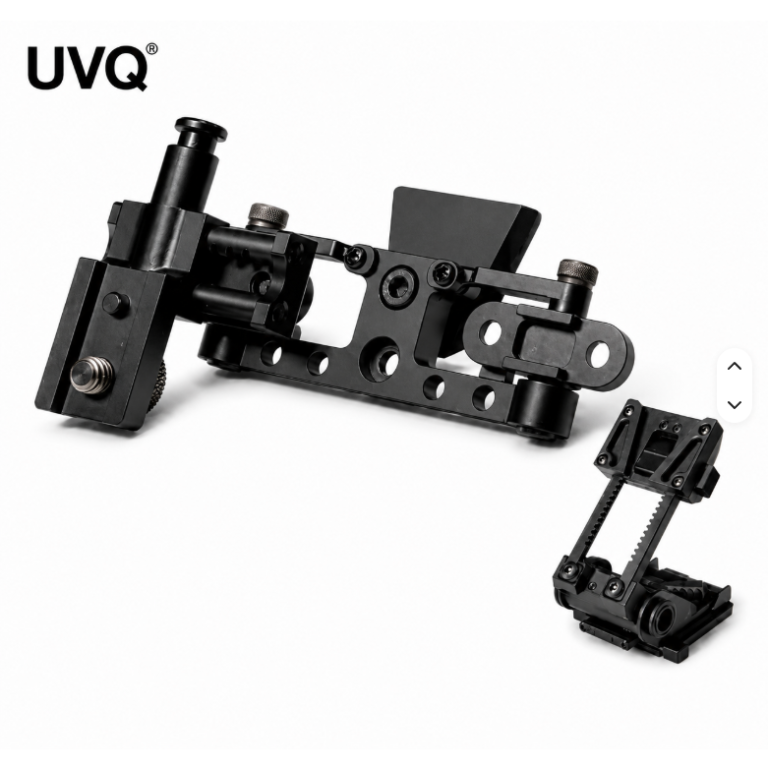
Accessory Bundle Package
Accessories can increase the practical value of a digital night vision product.
A dealer accessory bundle may include:
- Flip-up mount
- Rail adapter
- Bridge mount
- USB Type-C cable
- Storage or carrying case
- Lens protection accessories
- Spare screws or small mounting parts
- Quick start guide
Accessory bundles are useful because customers often do not know which parts are required for different configurations.
A clear bundle helps reduce after-sales questions and improves the customer experience.
Dealer Demonstration Package
Dealers may also need a product package designed for demonstration rather than direct resale.
A dealer demonstration package should help sales teams show the product clearly to customers.
This package may include:
For digital night vision, demonstration materials are especially important because customers want to see the real image output before making a buying decision.
OEM/ODM Product Package
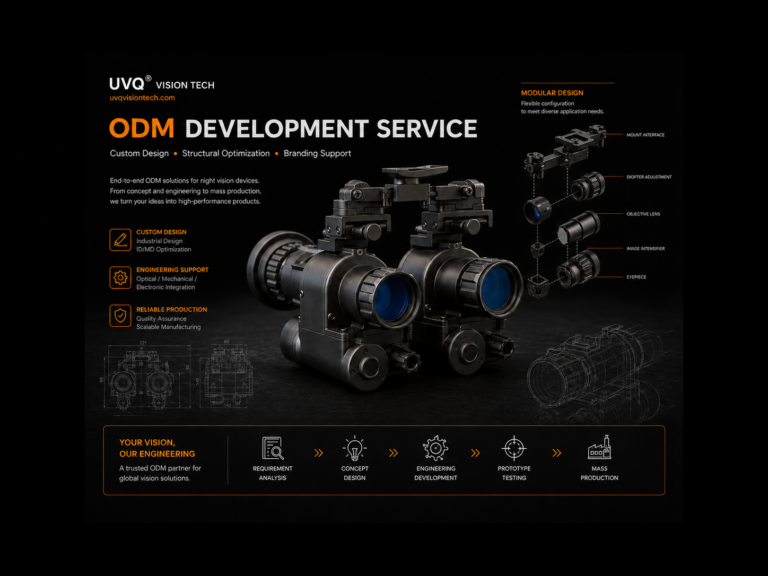
For brand owners and distributors, OEM/ODM packaging can help create a more complete market-ready product.
An OEM/ODM product package may include:
- Private label logo support
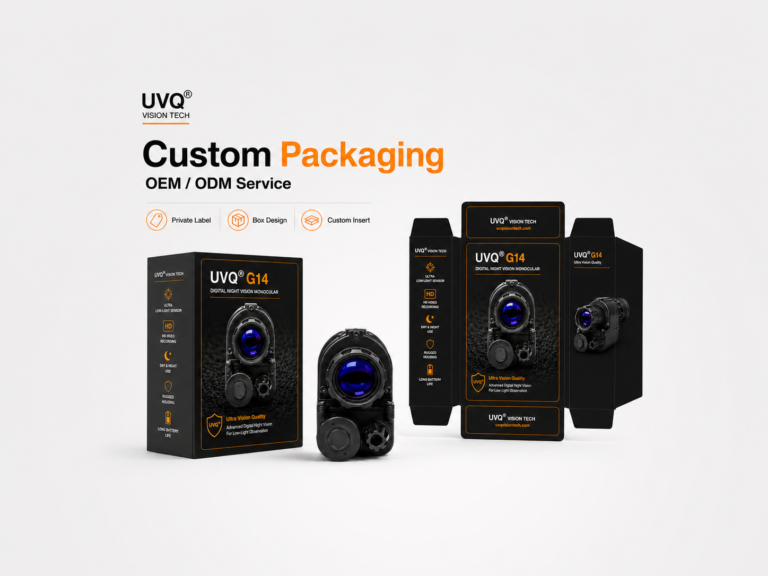
- Customized product box
- Customized user manual
- Accessory layout planning
- QR code or website information
- Warranty card
- Carton label support
- Product page materials
OEM/ODM support is not only about printing a logo. It is about creating a product presentation that matches the buyer’s target market and sales channel.
What Dealers Should Avoid
Dealers should avoid unclear or incomplete product packages.
Common problems include:
- Unclear accessory list
- No explanation of standard and optional parts
- No real test footage
- No clear user manual
- No product comparison materials
- Overcomplicated package options
- Weak packaging presentation
If customers do not understand what is included, they may hesitate before ordering or ask repeated questions during the sales process.
A good package should make the buying decision easier, not harder.
How to Build Different Package Levels
Dealers can build several package levels instead of offering only one fixed product.
A simple structure may include:
| Package Level |
Main Contents |
Best For |
| Basic Package |
Monocular, cable, manual, packaging |
First-time buyers and sample testing |
| Helmet Package |
Monocular, rail adapter, flip-up mount, helmet interface |
Hands-free observation users |
| Binocular Package |
Two monoculars, bridge system, mounting accessories |
Advanced configuration buyers |
| Dealer Demo Package |
Product setup, test videos, photos, specification sheet |
Dealers and distributors |
| OEM/ODM Package |
Product, customized packaging, manual, branding support |
Brand owners and private label buyers |
This structure helps dealers serve different customer needs without making the product line too confusing.
Why Real Test Footage Should Be Included
Digital night vision is a visual product, so real test footage is extremely useful.
Dealers should prepare or request videos that show:
- Outdoor low-light performance
- IR on and IR off comparison
- Movement and scanning
- Helmet-mounted use
- Video recording samples
- WiFi transmission demonstration
Real test footage helps customers understand what the product can actually do.
It also helps dealers reduce uncertainty during the sales process.
Why Clear Documentation Matters
Documentation is an important part of a dealer product package.
Useful documentation may include:
- Product specification sheet
- User manual
- Quick start guide
- Accessory list
- Mounting instructions
- Warranty information
- Product photos
- FAQ documents
Clear documentation makes the product easier to explain and easier to support after sale.
For B2B buyers, documentation can also reduce training costs and improve dealer confidence.
UVQ G14 Product Package Options for Dealers
The UVQ G14 digital night vision monocular can support multiple product package options for dealers and B2B buyers.
Possible configurations include:
- Basic handheld monocular package
- Rail-mounted package
- Helmet-mounted package
- Binocular bridge setup
- Accessory bundle package
- Dealer demonstration package
- OEM/ODM packaging support
The UVQ G14 platform supports a 1-inch BSI CMOS sensor, 50/100Hz imaging, 1x base magnification, Android WiFi real-time image transmission, video recording, manual IR illumination, IP67 waterproof protection, lightweight body design, and helmet-mounted configuration options.
For dealers, this flexibility can help create different package levels for different customer groups, from basic monocular users to buyers who need more complete helmet-mounted or binocular configurations.
Final Thoughts
A digital night vision product package should help dealers sell more clearly and support customers more effectively.
The right package should include not only the main device, but also suitable accessories, clear documentation, real test materials, packaging support, and configuration options.
For dealers and B2B buyers, a flexible product package strategy can turn one digital night vision platform into multiple sales opportunities.
By building basic, helmet-mounted, binocular, demonstration, and OEM/ODM packages, dealers can better match different customer needs and create a more complete product offering.
Packaging decisions usually follow the hardware choice: the UVQ G14 demo kit and the complete monocular kit are the two configurations most often specified for retail and demonstration packaging. Custom branding routes are described in the OEM/ODM buyer guide, and the product page guide covers how the packaged result should be presented online.
 English
  Chinese
 Spanish