For many B2B buyers, digital night vision is not only a finished product. It can also become part of a private label product line, dealer program, or OEM/ODM project.
Before placing an order, buyers need to evaluate more than price. Product quality, imaging performance, packaging, accessories, testing support, and supplier communication all affect the final business result.
This guide explains what B2B buyers should check before ordering OEM/ODM digital night vision products.
What Does OEM/ODM Mean in Digital Night Vision?
OEM and ODM are common cooperation models in the night vision industry.
OEM usually means the buyer sells the product under their own brand, while the supplier provides manufacturing, product configuration, and packaging support.
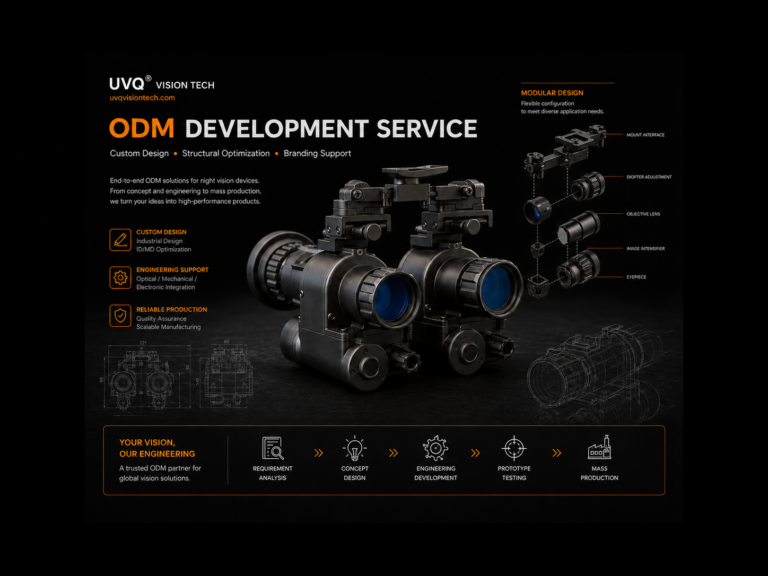
ODM usually means the supplier provides an existing product platform that can be customized for different markets, branding needs, or product positioning.
For digital night vision products, OEM/ODM cooperation may include:
- Logo customization
- Packaging design
- Product configuration
- Accessory selection
- User manual customization
- Product page material support
- Sample testing support
- Bulk order planning
For B2B buyers, the goal is not only to buy a device, but to build a product line that can be sold and supported in their own market.
Product Quality Comes First
Before discussing packaging or branding, buyers should first evaluate the product itself.
A strong OEM/ODM digital night vision product should have stable image quality, reliable hardware, practical functions, and consistent production quality.
Important product factors include:
- Low-light imaging performance
- Sensor size
- Refresh rate
- Lens quality
- IR support
- Video recording
- WiFi transmission
- Battery performance
- Housing quality
- Mounting compatibility
- Waterproof performance
- User operation experience
If the core product is weak, branding and packaging cannot solve the problem.
Imaging Performance Should Be Tested
Digital night vision products should be tested in real low-light environments.
Specifications are useful, but real-world testing is more important. Buyers should check how the device performs under different lighting conditions, including outdoor low light, indoor darkness, and IR-assisted scenes.
A good test should evaluate:
- Image brightness
- Image detail
- Noise level
- Smoothness during movement
- IR performance
- Viewing comfort
- Recording quality
- WiFi transmission stability
For buyers comparing different products, recorded test footage can help support internal evaluation and customer demonstration.
Sensor Size and Refresh Rate Matter
For digital night vision, sensor performance and refresh rate are two important technical factors.
A larger sensor can help improve light collection and image clarity. A high refresh rate can help make the image smoother during movement and scanning.
For example, a product with a 1-inch BSI CMOS sensor and 100Hz refresh rate can be positioned as a more capable digital night vision solution compared with many basic consumer-grade devices.
For buyers planning an OEM/ODM product line, these specifications can help define product positioning and market value.
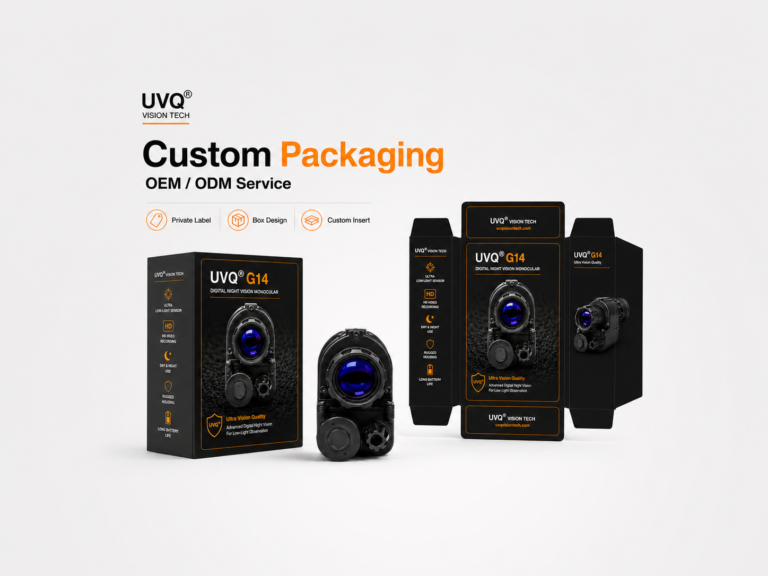
Packaging Should Match the Product Positioning
Packaging is important for OEM/ODM cooperation because it affects how customers perceive the product.
A product aimed at professional B2B buyers, dealers, or brand owners should not use weak or generic packaging.
Packaging should clearly communicate:
- Brand identity
- Product model
- Key functions
- Accessory information
- Safety and usage notes
- QR code or website information
- Warranty and support information
For dealers and brand owners, packaging is part of the sales experience. A good package can make the product easier to present, easier to explain, and easier to sell.
Accessories and Configuration Should Be Clear
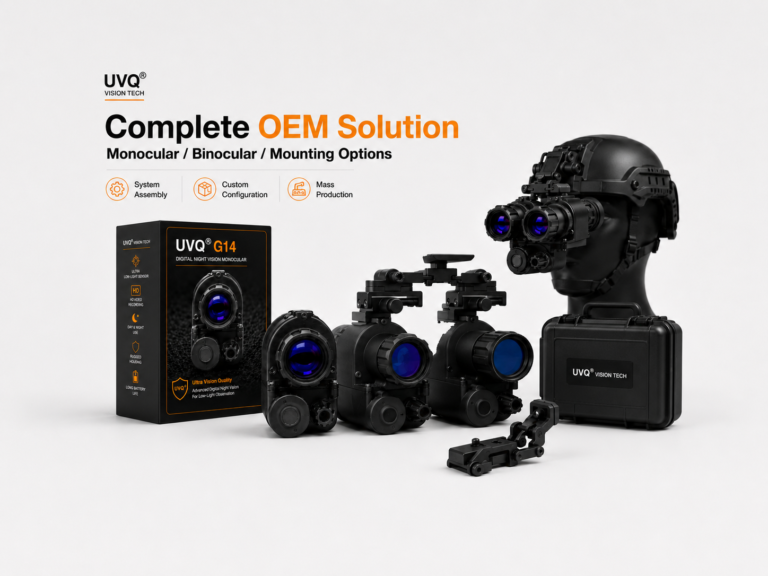
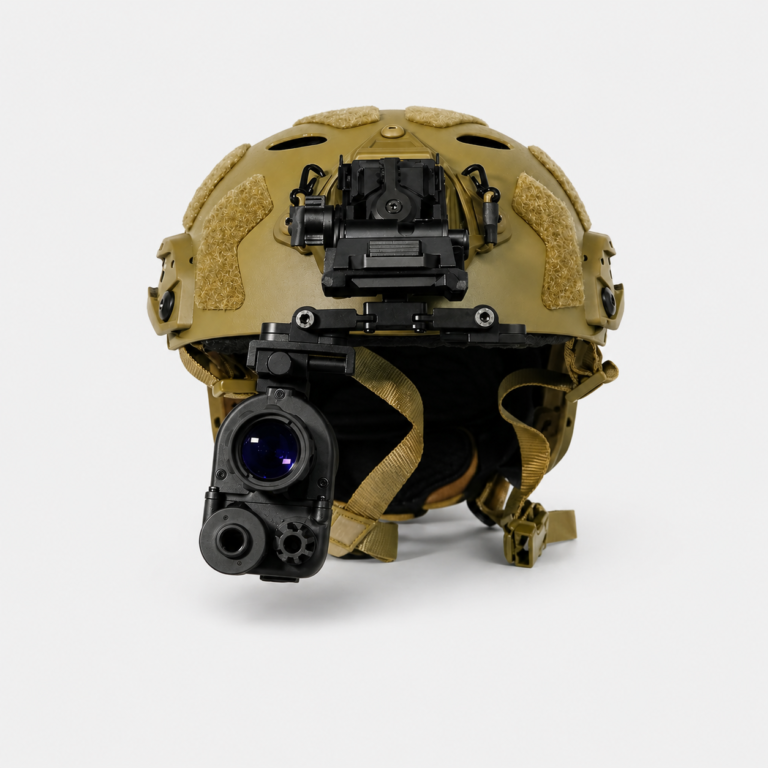
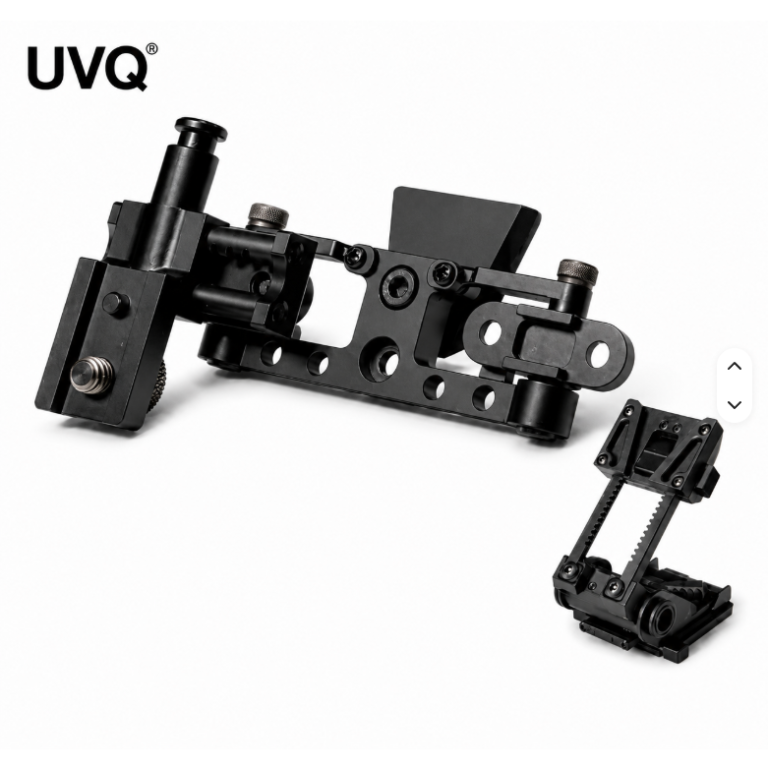
Digital night vision products often include accessories such as mounts, rails, flip-up brackets, cables, storage cards, battery accessories, and user manuals.
For OEM/ODM buyers, accessory configuration must be clear before ordering.
Buyers should confirm:
- What is included in the standard package
- What accessories are optional
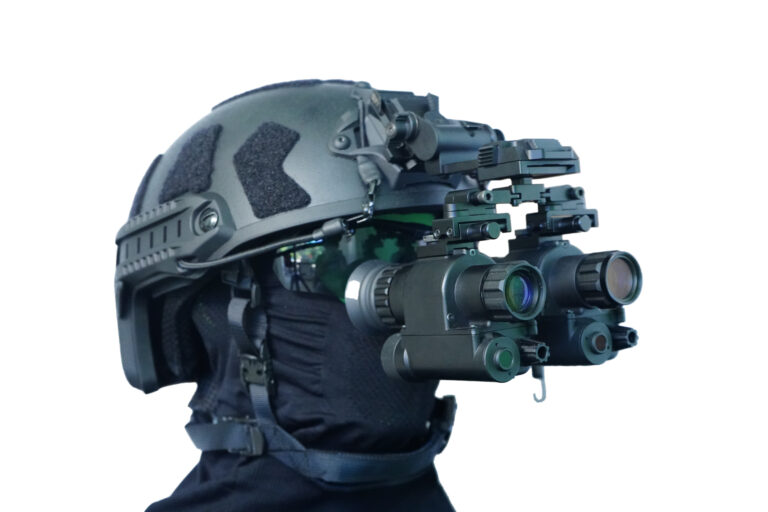
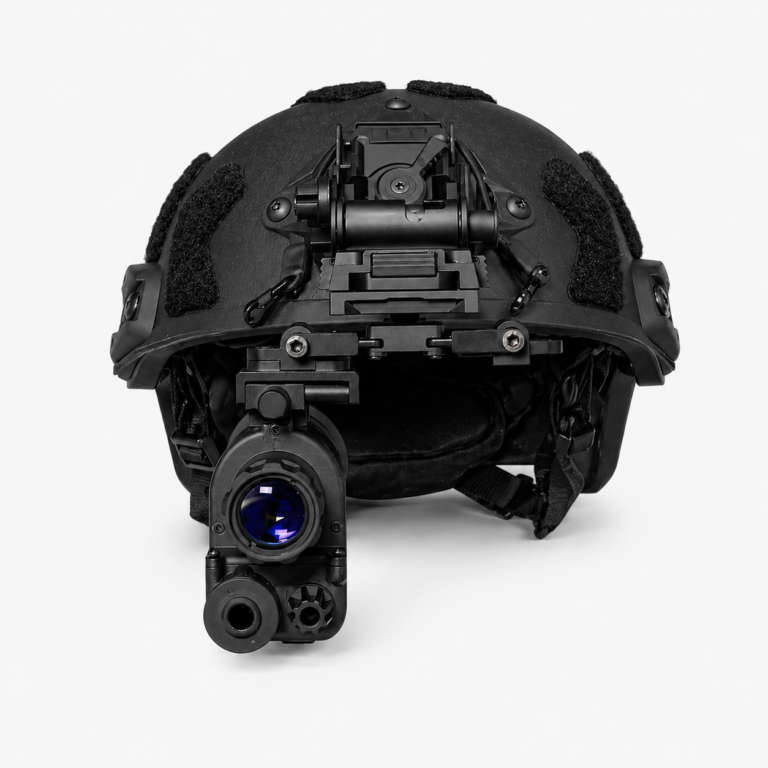
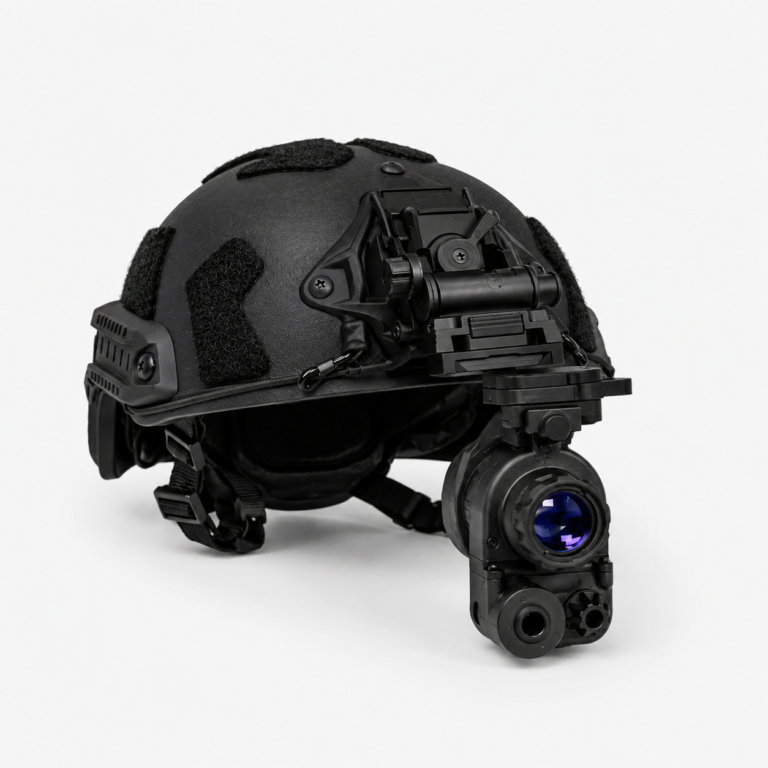
- Whether helmet-mounted use is supported
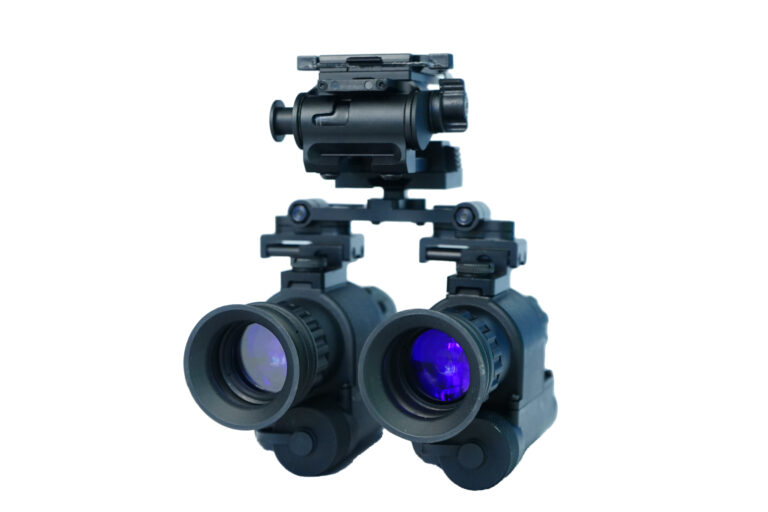
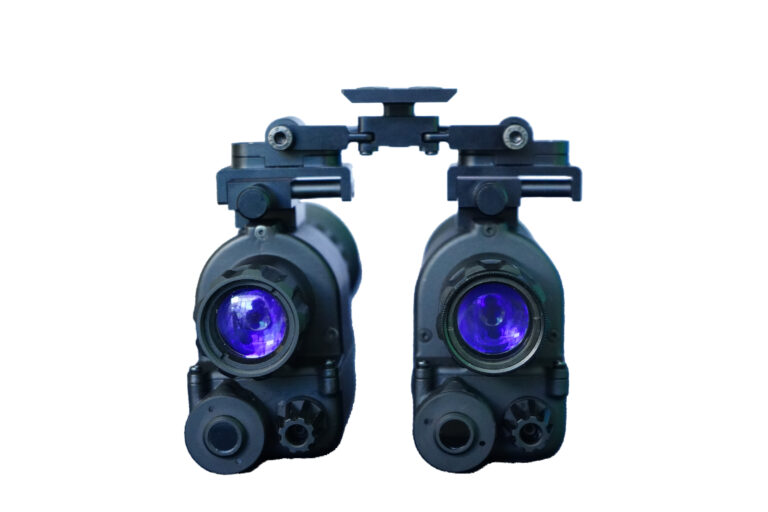
- Whether binocular bridge setups are available
- Whether packaging can show different kit configurations
- Whether spare parts are available
- Whether the supplier can support different bundle plans
Unclear accessory configuration can create misunderstanding between suppliers, dealers, and end customers.
Product Materials Are Important for Sales
B2B buyers often need more than products. They also need materials that help them sell.
Useful product materials may include:
- Product photos
- Demonstration videos
- Low-light test footage
- Specification sheets
- User manuals
- Packaging images
- Website product descriptions
- Social media materials
- Dealer presentation materials
For digital night vision, real test footage is especially useful because customers want to see actual image output.
Communication and Support Matter
OEM/ODM cooperation is not only a product transaction. It is a long-term communication process.
Buyers should evaluate whether the supplier can provide clear answers, reasonable lead times, stable quality control, and after-sales support.
Important points include:
- Response speed
- Technical explanation ability
- Sample arrangement
- Bulk order planning
- Warranty policy
- Replacement parts
- Packaging confirmation
- Shipping coordination
- Documentation support
For international buyers, communication quality can strongly affect the whole project.
UVQ G14 as an OEM/ODM Digital Night Vision Platform
The UVQ G14 digital night vision monocular is designed for low-light observation and B2B cooperation.
It supports a 1-inch BSI CMOS sensor, 100Hz refresh rate, Android WiFi real-time transmission, video recording, manual IR illumination, lightweight body, and helmet-mount-compatible configurations.
For OEM/ODM buyers, the UVQ G14 can be used as a product platform for dealer programs, private label projects, packaging customization, and product line development.
It can also support different configurations, including monocular setups, helmet-mounted use, accessory bundles, and binocular demonstration solutions.
Final Thoughts
OEM/ODM digital night vision cooperation should not focus only on price.
B2B buyers should evaluate product quality, imaging performance, accessory configuration, packaging, support materials, supplier communication, and long-term cooperation ability.
A strong digital night vision supplier should help buyers build a product that is not only functional, but also clear, presentable, and easier to sell in their own market.
For buyers planning a private label or dealer product line, choosing the right product platform and supplier is the first step toward building a reliable night vision business.
Where a project needs its own branding, the UVQ G14 OEM solution is the starting point, and the UVQ G14 monocular is the hardware it is based on. Packaging and presentation requirements are covered in the product package guide, while the supplier guide for B2B buyers and the video recording guide fill in the assessment and specification detail.

 English
  Chinese
 Spanish